地图 - 热线
15392885678
地图 - 热线
- 服务热线 - 15392885678 15069779222
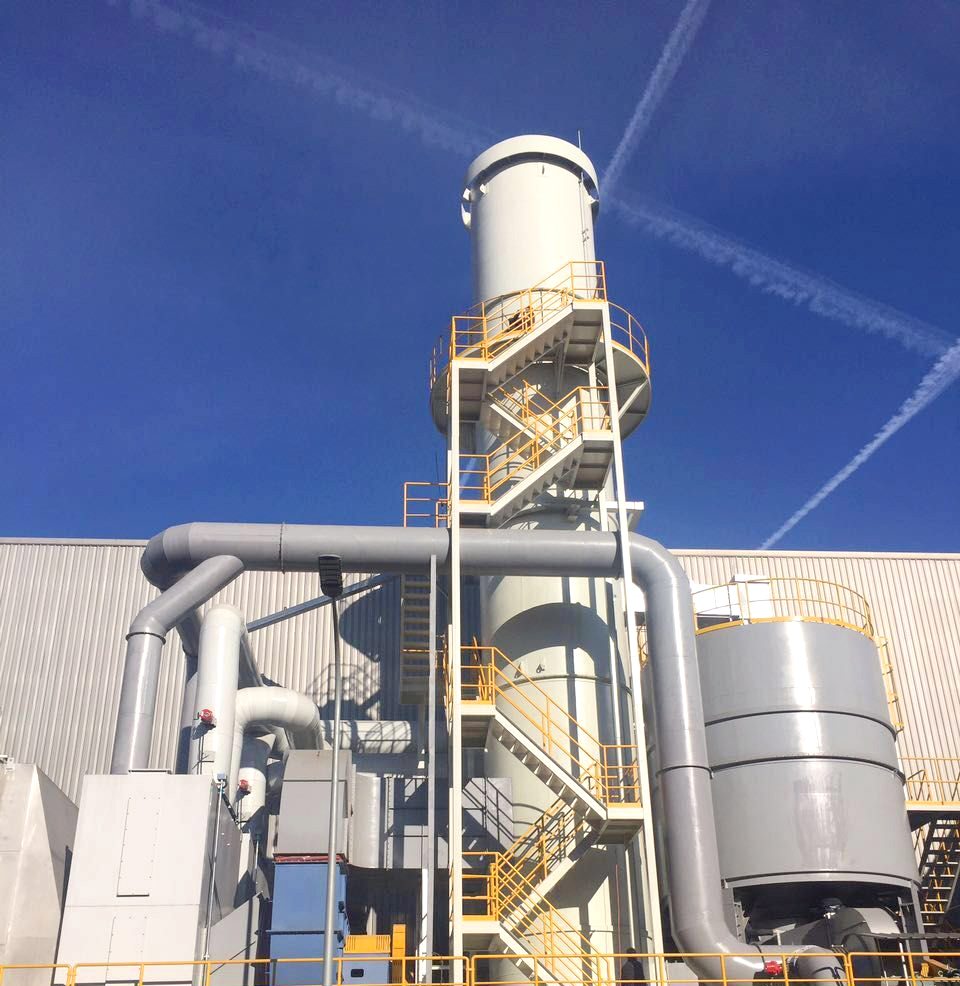
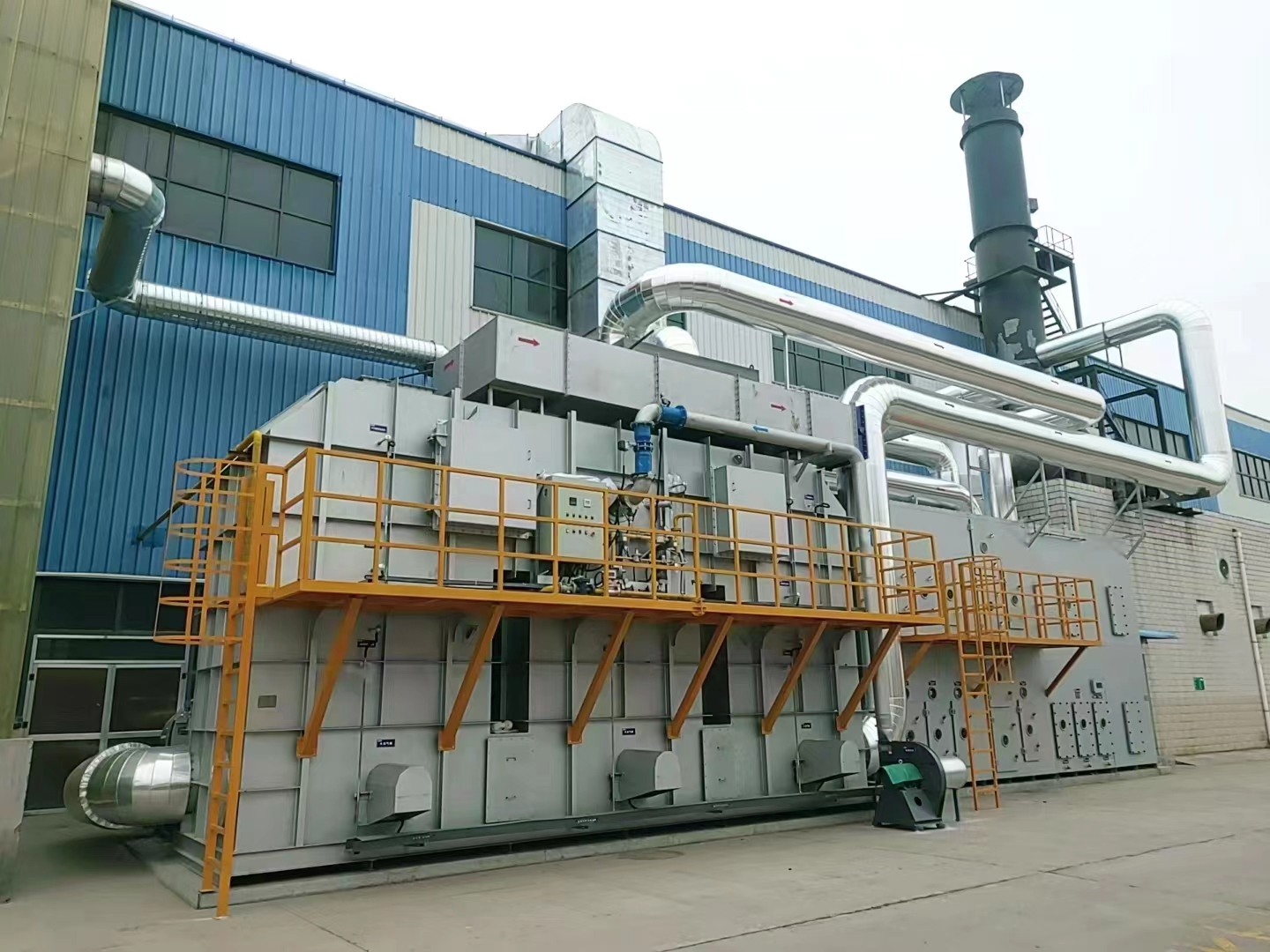
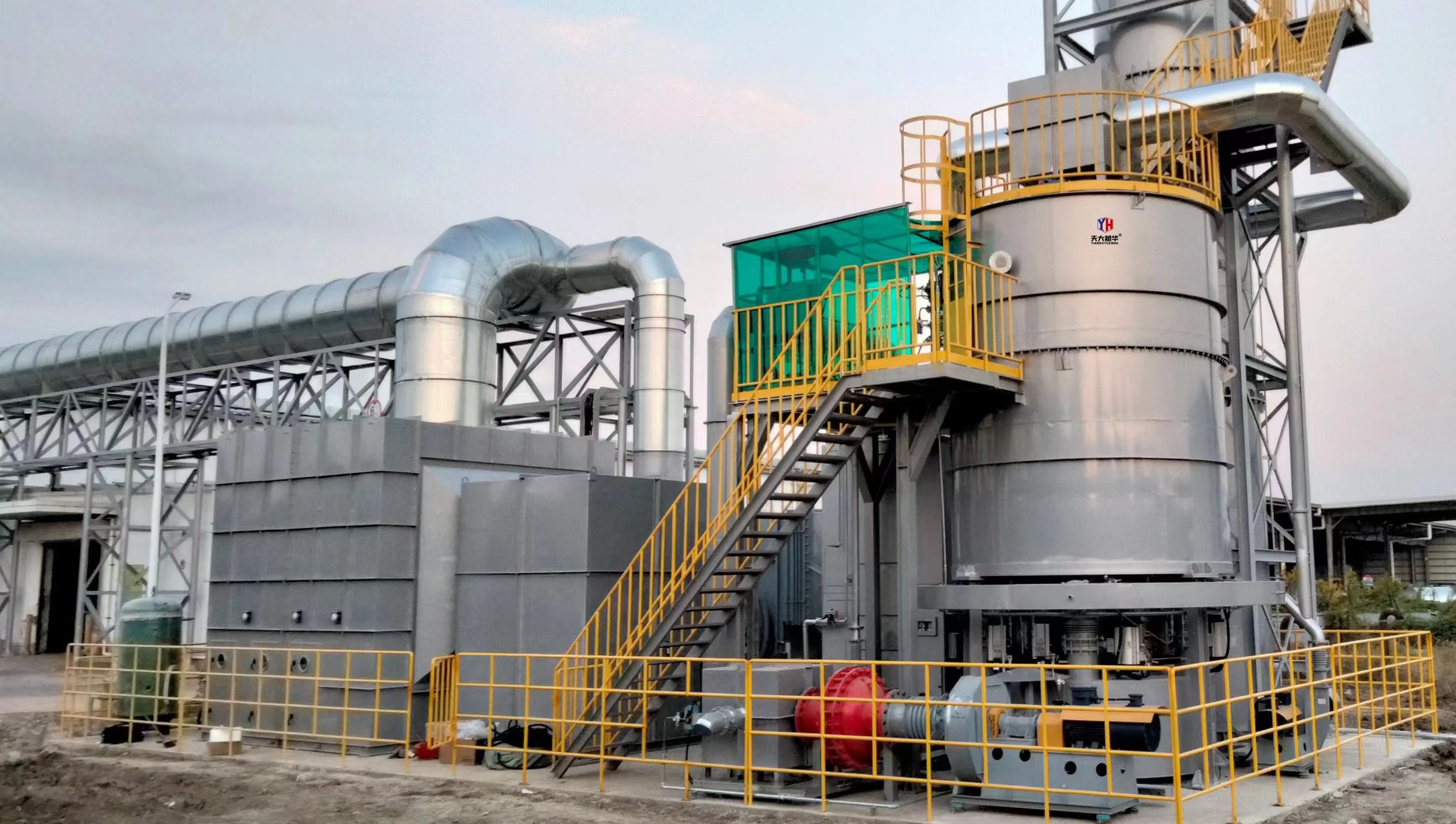
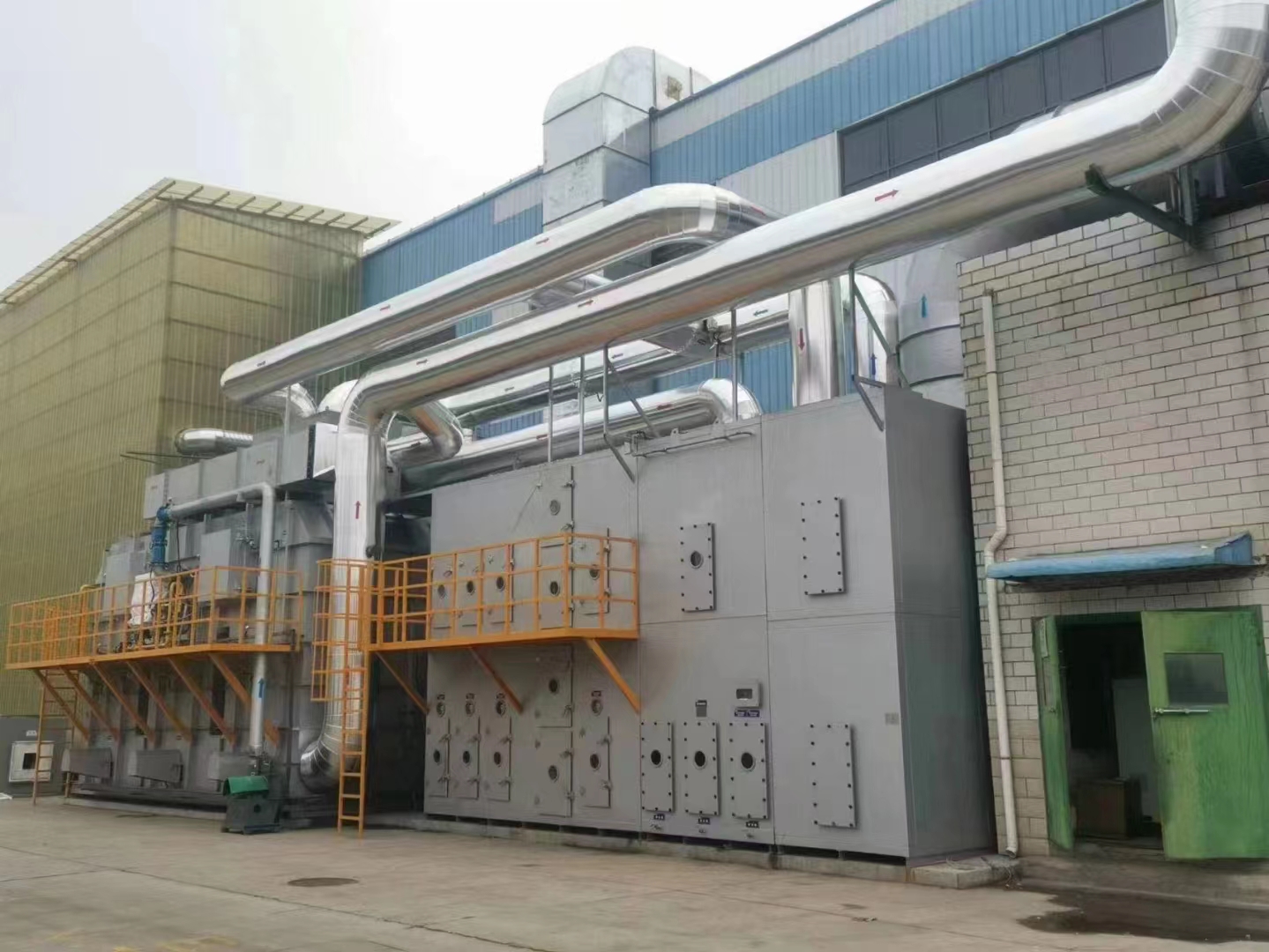
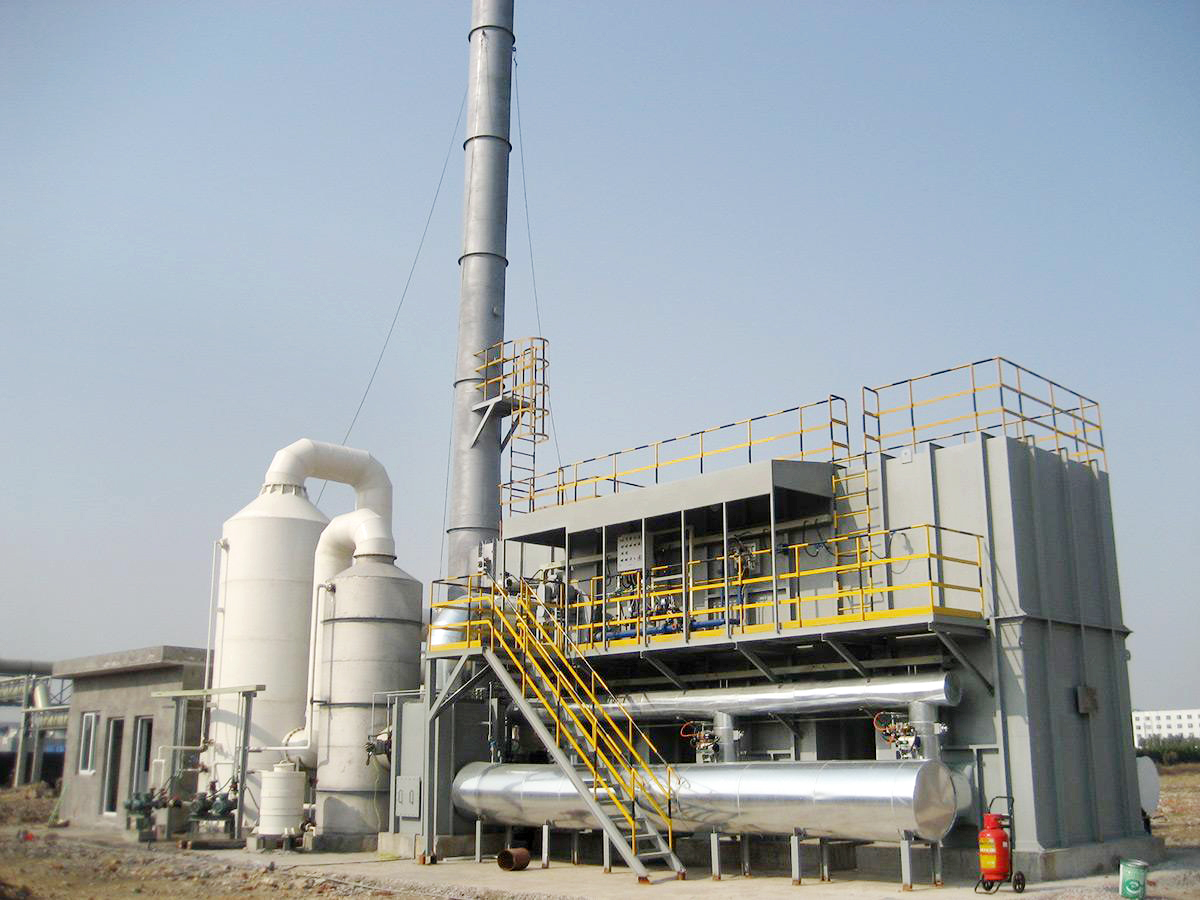
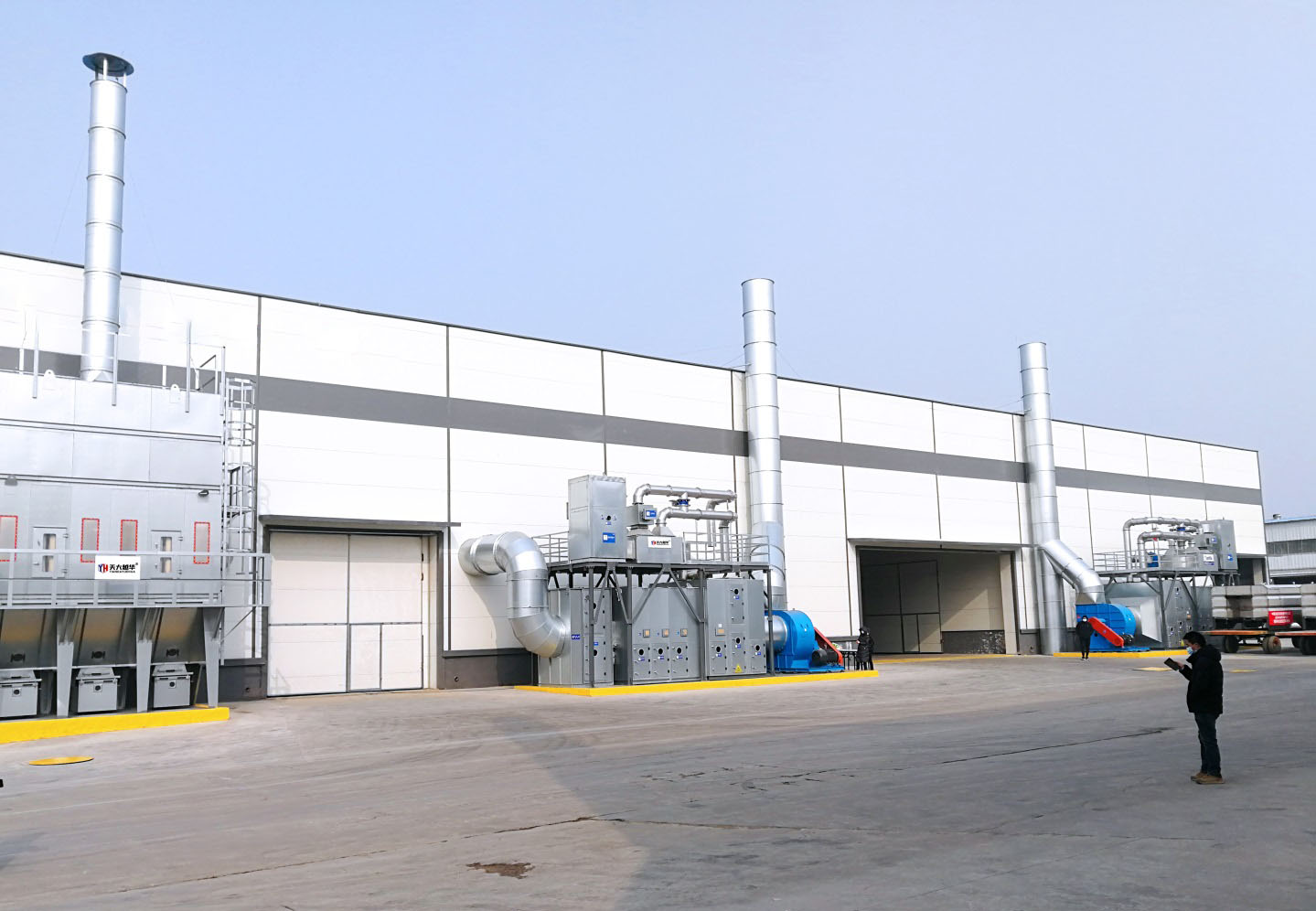
沸石转轮浓缩-蓄热式燃烧处理工艺主要由沸石转轮浓缩(吸附区,脱附区,冷却区),脱附系统,蓄热式燃烧系统(RTO炉体,陶瓷蓄热体,燃烧系统等)和控制系统等。
The zeolite wheel concentration thermal storage combustion treatment process mainly consists of zeolite wheel concentration (adsorption zone, desorption zone, cooling zone), desorption system, thermal storage combustion system (RTO furnace body, ceramic thermal storage body, combustion system, etc.), and control system.
吸附和脱附:沸石分子筛转轮吸附和浓缩系统采用吸附,脱附和冷却的连续过程来吸收和浓缩VOCs。沸石分子筛转轮分为三个功能区:吸附区,脱附区和冷却区。废气进入沸石分子筛转轮的吸附区,VOCs被沸石分子筛吸附和去除,净化后排放。通过约200°C的小风量的热风处理,将吸附在分子筛转轮中的VOCs脱附并浓缩在脱附区中。再生的沸石分子筛转轮在冷却区中冷却,如此反复。
Adsorption and desorption: The zeolite molecular sieve rotary adsorption and concentration system adopts a continuous process of adsorption, desorption, and cooling to absorb and concentrate VOCs. The zeolite molecular sieve wheel is divided into three functional zones: adsorption zone, desorption zone, and cooling zone. The exhaust gas enters the adsorption zone of the zeolite molecular sieve wheel, and VOCs are adsorbed and removed by the zeolite molecular sieve before being purified and discharged. The VOCs adsorbed in the molecular sieve impeller are desorbed and concentrated in the desorption zone through a small air flow of about 200 ° C. The regenerated zeolite molecular sieve wheel is cooled in the cooling zone repeatedly.
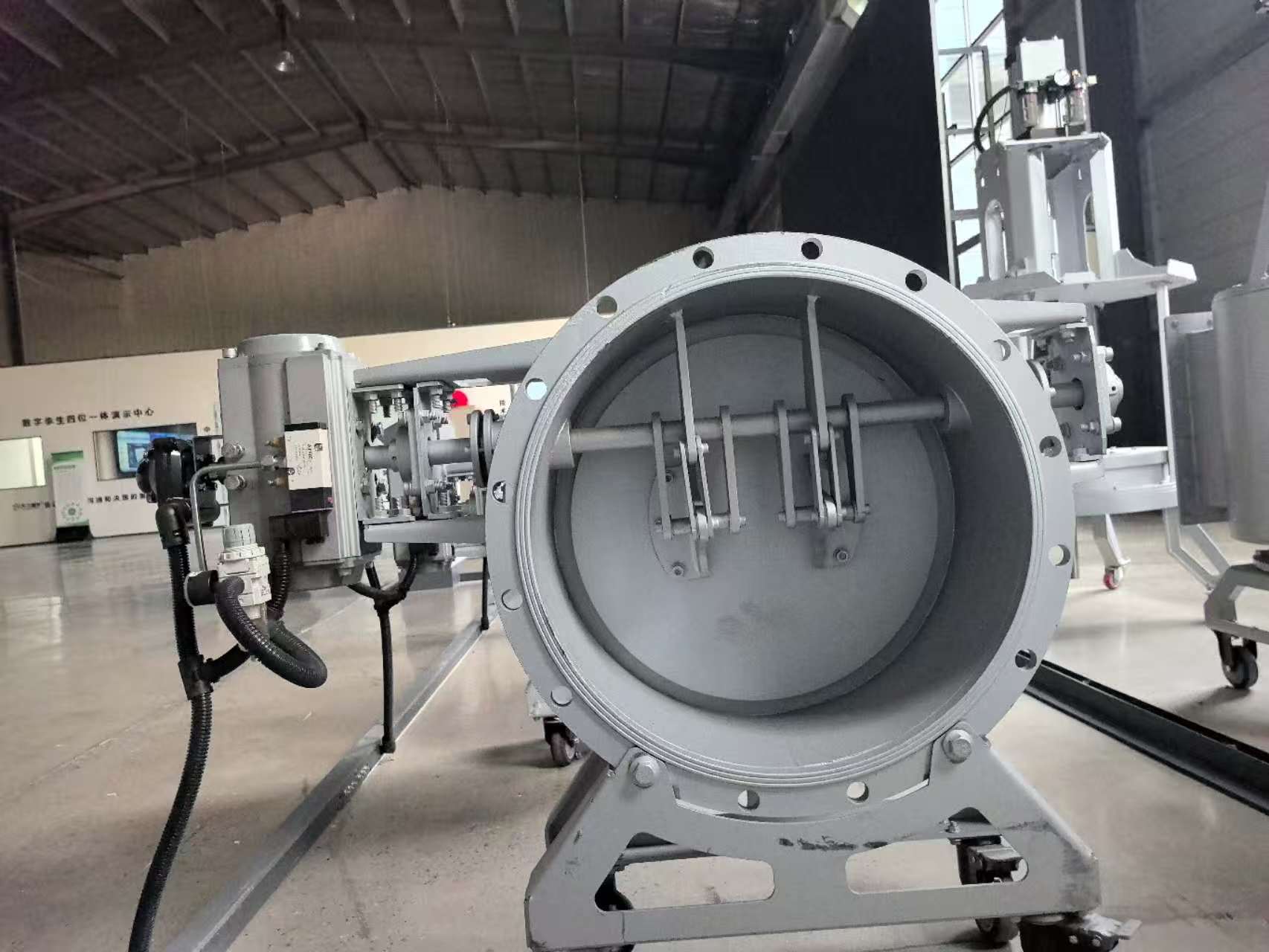
蓄热式燃烧:脱附的高浓度,小风量废气进入RTO处理系统,首先进入RTO蓄热器A的陶瓷介质层,陶瓷释放热量,温度降低,而有机废气吸收热量,温度升高,废气离开蓄热室,以较高的温度进入氧化室。在氧化室中,有机废气被燃烧器加热到设定的氧化温度800℃以上,使其中的VOCs分解为二氧化碳和水,然后排出。废气流过蓄热室A并进入氧化室进行氧化。净化后的高温气体离开氧化室,进入蓄热室B,释放热量,降温并排出,蓄热室B吸收大量热量升温,同时清扫蓄热器 C室。循环完成后,入口阀和出口阀切换一次,然后进入下一个循环。废气进入蓄热室B,蓄热室C被排出,蓄热室A被清扫。如此交替。由于废气已经在蓄热室中被预热,因此大大降低了燃料消耗,并且大大降低了运行成本。
Regenerative combustion: The desorbed high concentration, low air volume exhaust gas enters the RTO treatment system and first enters the ceramic medium layer of RTO accumulator A. The ceramic releases heat and the temperature decreases, while the organic exhaust gas absorbs heat and the temperature increases. The exhaust gas leaves the heat storage chamber and enters the oxidation chamber at a higher temperature. In the oxidation chamber, the organic waste gas is heated by the burner to a set oxidation temperature of over 800 ℃, causing the VOCs in it to decompose into carbon dioxide and water, and then discharged. The exhaust gas flows through the heat storage chamber A and enters the oxidation chamber for oxidation. The purified high-temperature gas leaves the oxidation chamber, enters the heat storage chamber B, releases heat, cools down and is discharged. The heat storage chamber B absorbs a large amount of heat and heats up, while cleaning the heat storage chamber C. After the cycle is completed, switch the inlet valve and outlet valve once before entering the next cycle. The exhaust gas enters the heat storage chamber B, the heat storage chamber C is discharged, and the heat storage chamber A is cleaned. So alternating. Due to the preheating of the exhaust gas in the heat storage chamber, fuel consumption is greatly reduced and operating costs are greatly reduced.
运行效果
operating effect
该处理过程性能稳定,操作简单,安全可靠,无二次污染,设备占地面积小。独特的沸石材料确保了转轮装置的高吸收和脱附效率,从而将原来的大风量和低浓度的VOCs废气转化为小风量,高浓度的废气;沸石转轮吸附VOCs产生的压降出彩低,大大降低了风机的能耗。沸石转轮的浓缩倍数达到20-30倍,大大降低了焚烧设备的规格,降低了投资和运行成本。高去除率的转轮设计确保了转轮浓缩后的废气可以达到国家排放标准;与直接燃烧相比,RTO具有充分利用热能,低能耗的显着特点。处理效率高,
This processing procedure has stable performance, simple operation, safety and reliability, no secondary pollution, and a small equipment footprint. The unique zeolite material ensures high absorption and desorption efficiency of the rotary device, thereby converting the original high air volume and low concentration VOCs waste gas into low air volume and high concentration waste gas; The pressure drop generated by zeolite rotary adsorption of VOCs is extremely low, greatly reducing the energy consumption of the fan. The concentration ratio of zeolite rotary wheel reaches 20-30 times, greatly reducing the specifications of incineration equipment and lowering investment and operating costs. The high removal efficiency of the impeller design ensures that the concentrated exhaust gas from the impeller can meet the national emission standards; Compared with direct combustion, RTO has significant characteristics of fully utilizing thermal energy and low energy consumption. High processing efficiency,
地址

服务热线

邮箱


截屏,微信识别二维码