地图 - 热线
15392885678
地图 - 热线
- 服务热线 - 15392885678 15069779222
制药厂工业废气成分复杂、异味大,部分物质还具有毒性,必须进行有效处理。处理制药废气通常需要一个组合工艺,因为单一技术很难应对所有污染物。下面我将详细阐述制药废气的特点、主流处理技术、组合工艺以及选择考量。
The industrial waste gas from pharmaceutical factories has complex components, strong odors, and some substances are toxic, which must be effectively treated. The treatment of pharmaceutical waste gas typically requires a combined process, as a single technology is difficult to address all pollutants. Below, I will elaborate on the characteristics of pharmaceutical waste gas, mainstream treatment technologies, combination processes, and selection considerations.
一、制药废气的特点与分类FEATURES AND TYPES来源广泛:来自发酵、提取、精制、合成、反应、溶剂回收、废水处理站、储罐等环节。成分复杂:挥发性有机物:最常见,如甲醇、乙醇、丙酮、二氯甲烷、乙酸乙酯、苯系物等。无机物:氯化氢、氨气、硫化氢、氰化氢、氮氧化物等。恶臭物质:硫醇、硫醚、胺类等,即使浓度很低也会产生强烈异味。特定有毒物质:某些原料药生产过程中可能产生卤代烃、芳香烃等有毒物质。浓度波动大:生产批次、工艺环节不同,导致废气排放的浓度和风量变化很大。具有腐蚀性:部分含氯、硫、氮的废气在处理过程中可能生成酸性物质,腐蚀设备。
1、 The characteristics and classification of pharmaceutical waste gas come from a wide range of sources, including fermentation, extraction, refining, synthesis, reaction, solvent recovery, wastewater treatment plants, storage tanks, and other processes. Complex composition: Volatile organic compounds: the most common, such as methanol, ethanol, acetone, dichloromethane, ethyl acetate, benzene derivatives, etc. Inorganic substances: hydrogen chloride, ammonia, hydrogen sulfide, hydrogen cyanide, nitrogen oxides, etc. Odorous substances: thiols, thioethers, amines, etc., even at low concentrations, can produce strong odors. Specific toxic substances: Some raw materials may produce toxic substances such as halogenated hydrocarbons and aromatic hydrocarbons during the production process. Large concentration fluctuations: Different production batches and process steps result in significant changes in the concentration and air volume of exhaust emissions. Corrosive: Some waste gases containing chlorine, sulfur, and nitrogen may generate acidic substances during the treatment process, which can corrode equipment.
二、主流处理技术PROCESSING TECHNOLOGY根据废气性质和浓度,主要分为以下几类技术:
2、 The mainstream processing technology is mainly divided into the following categories based on the properties and concentration of exhaust gas:
(一)回收类技术适用于浓度高、有回收价值的有机溶剂。吸附法原理:利用活性炭、沸石分子筛等多孔材料的巨大比表面积,将废气中的有机物吸附在表面,从而净化废气。优点:技术成熟,设备简单,对低浓度废气处理效果好。缺点:吸附剂需要定期更换或再生,会产生二次固体废物;不适合处理高湿度、高温废气。升级版:沸石转轮吸附浓缩+ 高温焚烧。特别适合处理大风量、低浓度的废气,先将有机物浓缩,再对小风量高浓度气体进行销毁,大大降低运行成本。吸收法原理:利用废气中各组分在吸收剂(如水、酸、碱溶液)中溶解度的不同,进行分离。例如,用碱液吸收氯化氢,用酸液吸收氨气。优点:对水溶性或酸碱性的无机物处理效率高,工艺简单。缺点:对大部分VOCs处理效果差;会产生含污染物的废液,需要进一步处理。冷凝法原理:通过降低废气温度,使其中高沸点的VOCs冷凝成液体,从而回收。优点:可直接回收有价值的溶剂,纯度高。缺点:能耗高,对低沸点、低浓度VOCs回收效率低。通常作为预处理手段,与其他方法联用。
(1) Recycling technology is suitable for organic solvents with high concentration and recycling value. Principle of adsorption method: Utilizing the huge specific surface area of porous materials such as activated carbon and zeolite molecular sieves, organic matter in exhaust gas is adsorbed on the surface to purify the exhaust gas. Advantages: Mature technology, simple equipment, and good treatment effect on low concentration exhaust gas. Disadvantages: Adsorbents need to be replaced or regenerated regularly, which can generate secondary solid waste; Not suitable for handling high humidity and high temperature exhaust gases. Upgraded version: Zeolite rotary adsorption concentration+high-temperature incineration. It is particularly suitable for dealing with high air volume and low concentration exhaust gases. Firstly, organic matter is concentrated, and then low air volume and high concentration gases are destroyed, greatly reducing operating costs. Principle of absorption method: Separation is carried out by utilizing the different solubility of each component in the exhaust gas in the absorbent (such as water, acid, alkali solution). For example, absorbing hydrogen chloride with alkaline solution and ammonia with acidic solution. Advantages: High efficiency in treating water-soluble or acidic inorganic substances, and simple process. Disadvantages: Poor treatment effect on most VOCs; Waste liquid containing pollutants will be generated and further treatment is required. Principle of condensation method: By reducing the temperature of exhaust gas, high boiling point VOCs are condensed into liquid and recovered. Advantages: Valuable solvents can be directly recovered with high purity. Disadvantages: High energy consumption, low recovery efficiency for low boiling point and low concentration VOCs. Usually used as a preprocessing tool in conjunction with other methods.
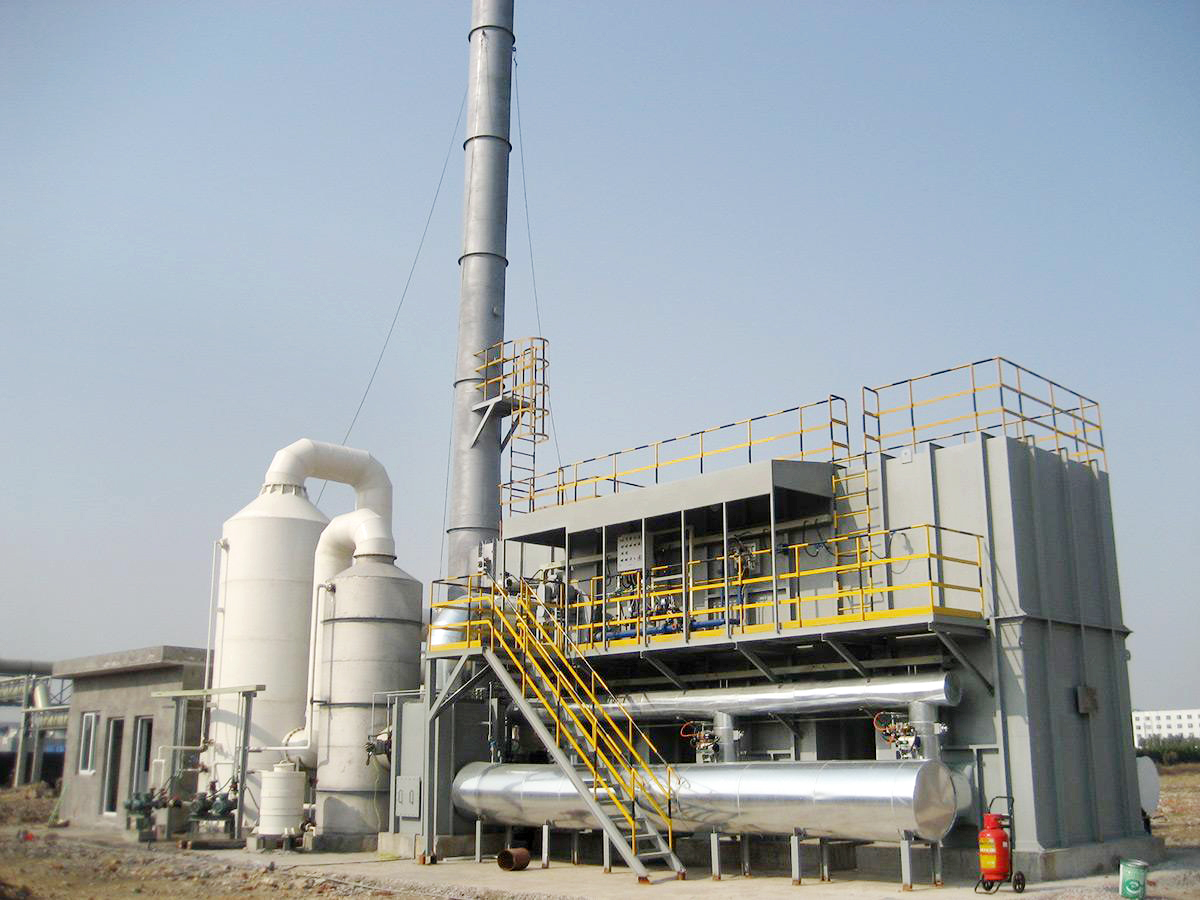
(二)销毁类技术适用于浓度范围广、无回收价值或有毒有害的废气。热力焚烧/蓄热式热力氧化原理:在高温(通常750°C以上)和充足氧气条件下,将有机物氧化分解为CO和HO。TO(热力焚烧炉):直接高温燃烧,适合处理高浓度废气,可回收热能,但燃料消耗大。RTO(蓄热式热力氧化炉):当前最主流、最有效的技术之一。
(2) Destruction technology is suitable for exhaust gases with a wide concentration range, no recycling value, or toxic and harmful substances. Thermal incineration/regenerative thermal oxidation principle: Under high temperature (usually above 750 ° C) and sufficient oxygen conditions, organic matter is oxidized and decomposed into CO and HO. TO (Thermal Incinerator): Direct high-temperature combustion, suitable for treating high concentration exhaust gas, can recover heat energy, but consumes a lot of fuel. RTO (Regenerative Thermal Oxidizer): One of the most mainstream and effective technologies currently available.
通过陶瓷蓄热体回收热量,热回收效率可达95%以上,大大降低燃料消耗。非常适合处理中高浓度、大风量的有机废气。优点:处理效率极高(>99%),适用性广,可处理复杂组分。缺点:投资和运行成本较高;处理含氯、硫、氮的废气时,需注意二次污染(如二噁英、NOx、SOx)的防治。
By using ceramic heat storage materials to recover heat, the heat recovery efficiency can reach over 95%, greatly reducing fuel consumption. Very suitable for processing organic waste gases with medium to high concentrations and large air volumes. Advantages: High processing efficiency (>99%), wide applicability, and the ability to handle complex components. Disadvantages: High investment and operating costs; When dealing with waste gases containing chlorine, sulfur, and nitrogen, attention should be paid to the prevention and control of secondary pollution (such as dioxins, NOx, SOx).
催化燃烧/蓄热式催化燃烧原理:在催化剂作用下,使有机物在较低的温度(通常300-400°C)下发生无焰燃烧,氧化分解。CO(催化燃烧炉):适合处理中低浓度、不含使催化剂中毒物质的废气。
Catalytic combustion/regenerative catalytic combustion principle: Under the action of a catalyst, organic matter undergoes flameless combustion and oxidative decomposition at lower temperatures (usually 300-400 ° C). CO (Catalytic Combustion Furnace): Suitable for treating low to medium concentration exhaust gases that do not contain substances that can poison the catalyst.
RCO(蓄热式催化燃烧炉):结合了RTO的热回收优势和CO的低温反应优势,能耗更低。但对废气中的粉尘、催化剂毒物(如Pb、Hg、P、S、Si等)要求严格,需要高效的预处理。优点:操作温度低,燃料消耗少。缺点:催化剂昂贵且易中毒,对废气预处理要求高。
RCO (Regenerative Catalytic Combustion Furnace): Combining the heat recovery advantages of RTO and the low-temperature reaction advantages of CO, it has lower energy consumption. However, strict requirements are placed on dust and catalyst toxins (such as Pb, Hg, P, S, Si, etc.) in the exhaust gas, requiring efficient pretreatment. Advantages: Low operating temperature and low fuel consumption. Disadvantages: Catalysts are expensive and prone to poisoning, requiring high requirements for exhaust gas pretreatment.
生物净化法原理:利用微生物的新陈代谢作用,将废气中的有机或无机污染物降解为CO、HO等无害物质。形式:生物滤池、生物滴滤塔、生物洗涤器等。优点:运行成本低,无二次污染,环保友好。缺点:处理效率相对较低,占地面积大,启动驯化时间长,对废气浓度和负荷变化的适应性较差,不适合处理高浓度、生物难降解的VOCs。
Principle of biological purification method: Utilizing the metabolic process of microorganisms, organic or inorganic pollutants in exhaust gas are degraded into harmless substances such as CO and HO. Forms: biofilters, biofilters, biofilters, etc. Advantages: Low operating cost, no secondary pollution, environmentally friendly. Disadvantages: Relatively low processing efficiency, large footprint, long start-up domestication time, poor adaptability to changes in exhaust gas concentration and load, not suitable for processing high concentration, biologically recalcitrant VOCs.
低温等离子体法原理:通过高压放电产生高能电子,这些电子轰击污染物分子,使其电离、解离和激发,进而发生一系列复杂反应,最终降解为无害物质。优点:启动快,占地面积小,对低浓度恶臭气体处理效果好。缺点:能耗较高,对于高浓度废气处理效果有限,可能会产生副产物,目前多用于除臭或作为预处理单元。
Principle of low-temperature plasma method: High energy electrons are generated through high-voltage discharge, which bombard pollutant molecules, ionize, dissociate, and excite them, and then undergo a series of complex reactions, ultimately degrading into harmless substances. Advantages: Fast start-up, small footprint, good treatment effect on low concentration odorous gases. Disadvantages: High energy consumption, limited effectiveness in treating high concentration exhaust gas, and possible production of by-products. Currently, it is mostly used for deodorization or as a pretreatment unit.
三、典型的组合工艺路线PROCESS ROUTE在实际应用中,制药企业会根据自身废气特点,选择“预处理 + 主处理”的组合工艺。路线一:大风量、低浓度 VOCs 废气
3、 In practical applications, pharmaceutical companies will choose a combination process of "pretreatment+main treatment" based on their own exhaust gas characteristics. Route 1: High air volume, low concentration VOCs exhaust gas
沸石转轮吸附浓缩 + RTO/RCO
Zeolite rotary adsorption concentration+RTO/RCO
这是目前最经济高效的方案之一。先通过沸石转轮将大风量低浓度废气浓缩成小风量高浓度废气,再进入RTO/RCO销毁,极大地降低了后续设备的规模和运行能耗。路线二:含酸性无机物和VOCs的混合废气
This is currently one of the most cost-effective solutions. Firstly, the high air volume and low concentration exhaust gas is concentrated into low air volume and high concentration exhaust gas through a zeolite wheel, and then enters RTO/RCO for destruction, greatly reducing the scale and operating energy consumption of subsequent equipment. Route 2: Mixed waste gas containing acidic inorganic substances and VOCs
碱洗/酸洗 + 除雾器 + RTO
Alkali washing/acid washing+demister+RTO
先通过喷淋塔去除水溶性的酸性(如HCl)或碱性(如NH)气体,再通过除雾器去除水分,防止影响后续RTO运行,最后进入RTO彻底销毁VOCs。路线三:中低浓度、易生物降解废气
First, remove water-soluble acidic (such as HCl) or alkaline (such as NH) gases through a spray tower, then remove water through a demister to prevent interference with subsequent RTO operations, and finally enter RTO to completely destroy VOCs. Route 3: Low to medium concentration, easily biodegradable waste gas
碱洗/酸洗 + 生物净化
Alkali washing/acid washing+biological purification
先去除无机污染物并调节pH,再进入生物滤池处理剩余的VOCs和恶臭物质。此方案运行成本低,适用于对排放要求不是极端严格的场合。路线四:高浓度溶剂废气
First, remove inorganic pollutants and adjust the pH, then enter the biological filter to treat the remaining VOCs and odorous substances. This solution has low operating costs and is suitable for situations where emission requirements are not extremely strict. Route 4: High concentration solvent exhaust gas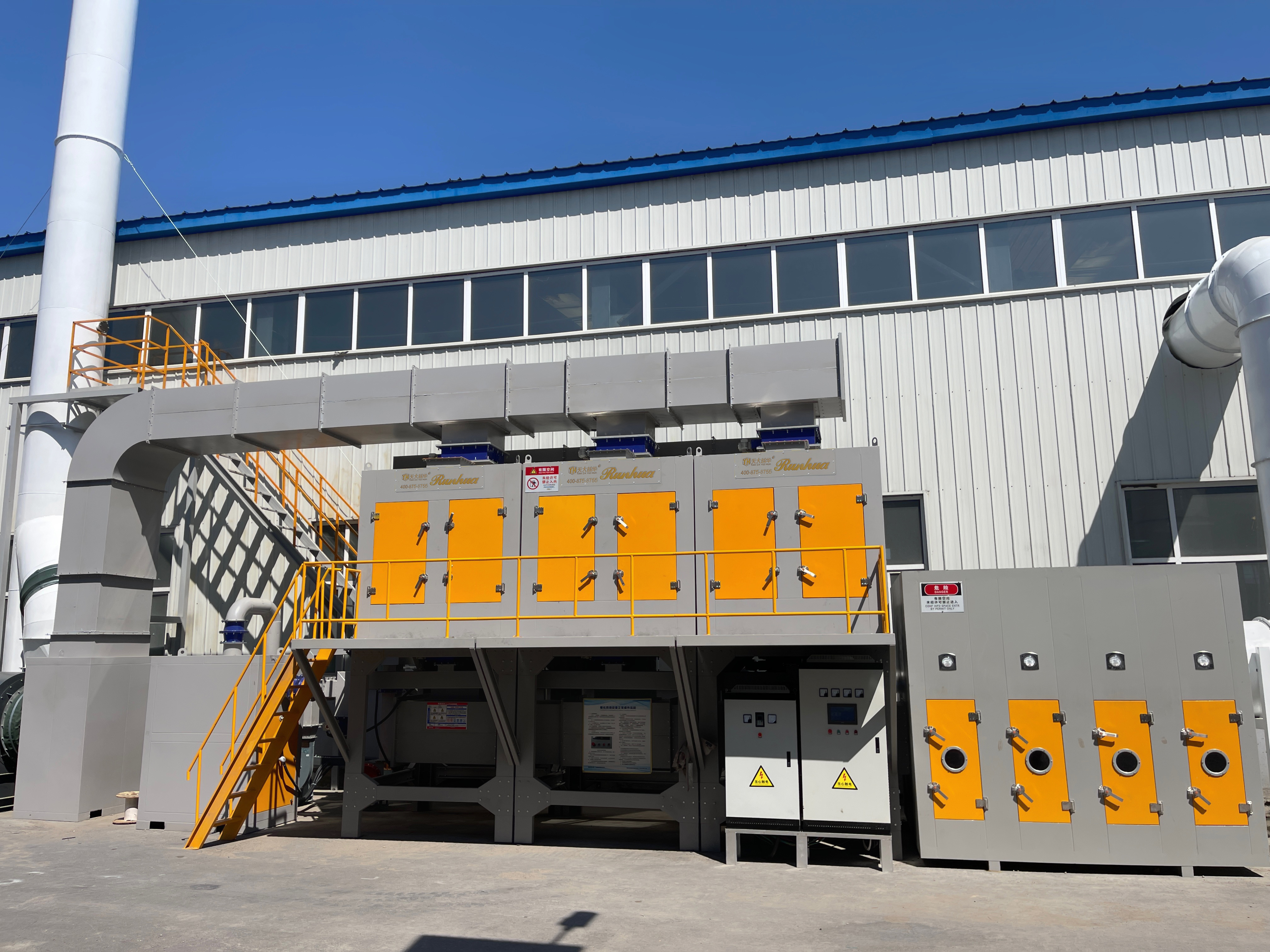
冷凝回收 + RTO/TO
Condensation recovery+RTO/TO
先通过冷凝回收大部分有价值的溶剂,剩余的较低浓度的废气再进入RTO/TO进行最终处理,实现资源回收与达标排放的双重目标。
Firstly, most of the valuable solvents are recovered through condensation, and the remaining lower concentration waste gas is then sent to RTO/TO for final treatment, achieving the dual goals of resource recovery and standard emissions.
四、选择处理技术时考量因素FACTORS TO CONSIDER废气特性:成分、浓度、风量、温度、湿度。排放标准:必须满足国家和地方的环保法规要求(如《制药工业大气污染物排放标准》)。运行成本:包括能耗、药剂、更换吸附剂/催化剂、处置二次污染物的费用。投资成本:设备购置、安装和土建费用。安全性与可靠性:技术是否成熟,是否存在安全隐患(如废气易燃易爆)。二次污染:是否会产生活性炭废料、废催化剂、废水等,以及如何处置。
4、 Consider factors such as composition, concentration, air volume, temperature, and humidity when selecting treatment technologies for FACTORS TO CONSIDER exhaust gas characteristics. Emission standards: must comply with national and local environmental regulations (such as the "Emission Standards for Air Pollutants in the Pharmaceutical Industry"). Operating costs: including energy consumption, chemicals, replacement of adsorbents/catalysts, and disposal of secondary pollutants. Investment cost: equipment procurement, installation, and civil engineering expenses. Safety and reliability: whether the technology is mature and whether there are safety hazards (such as flammable and explosive exhaust gases). Secondary pollution: whether activated carbon waste, waste catalysts, wastewater, etc. will be generated, and how to dispose of them.
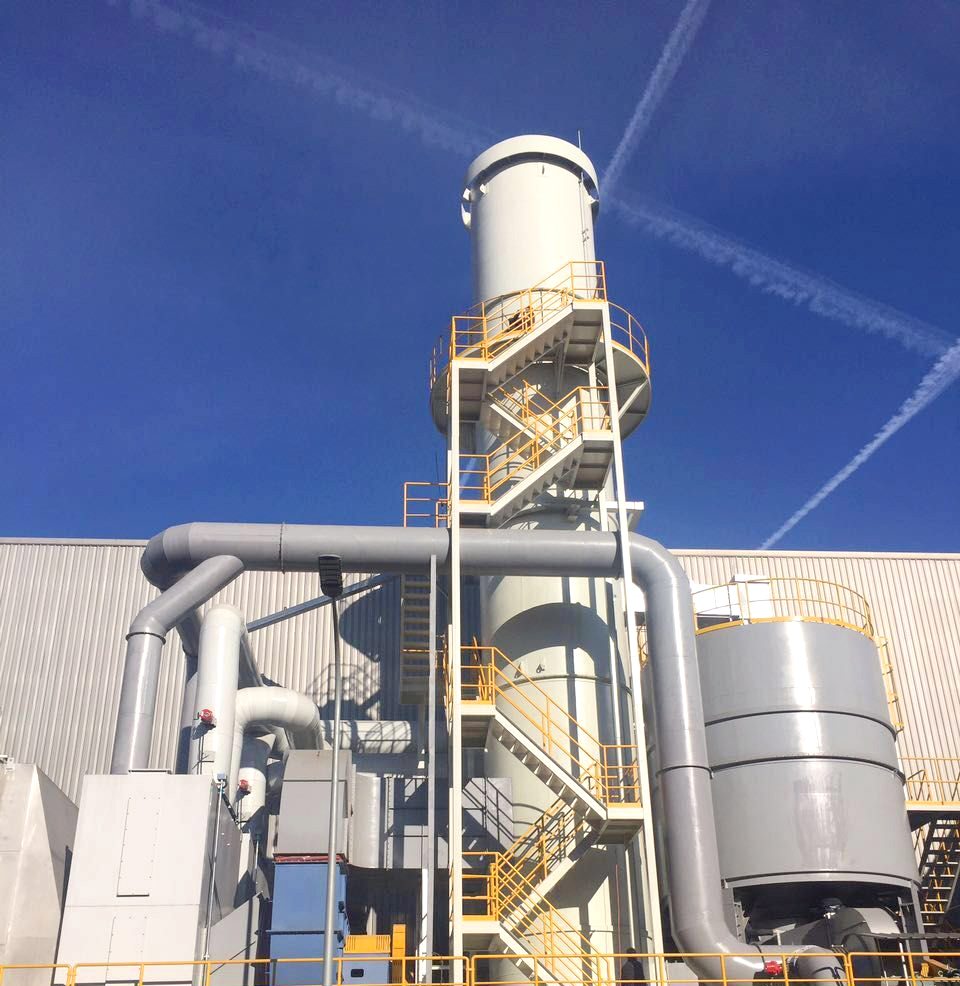
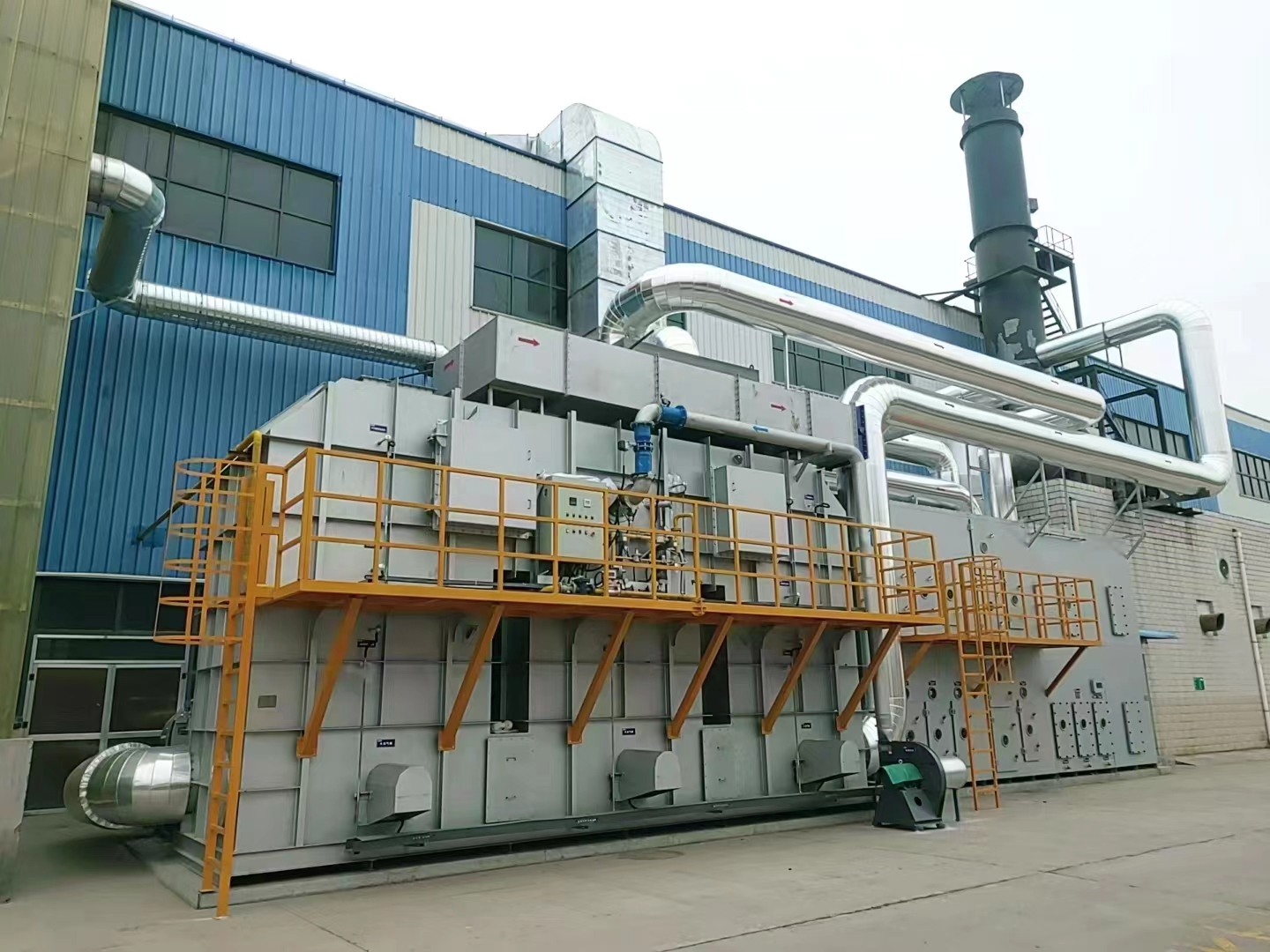
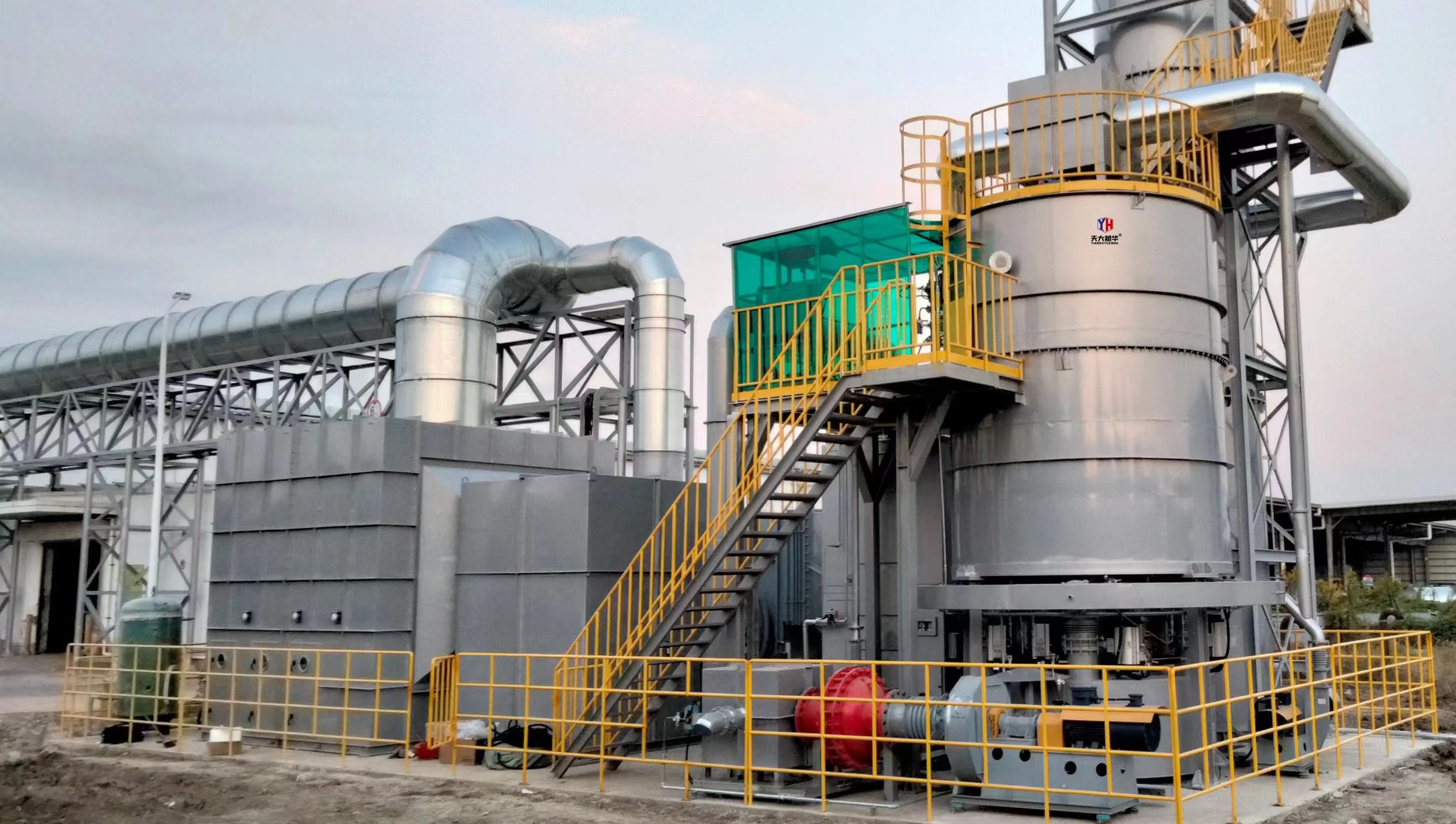
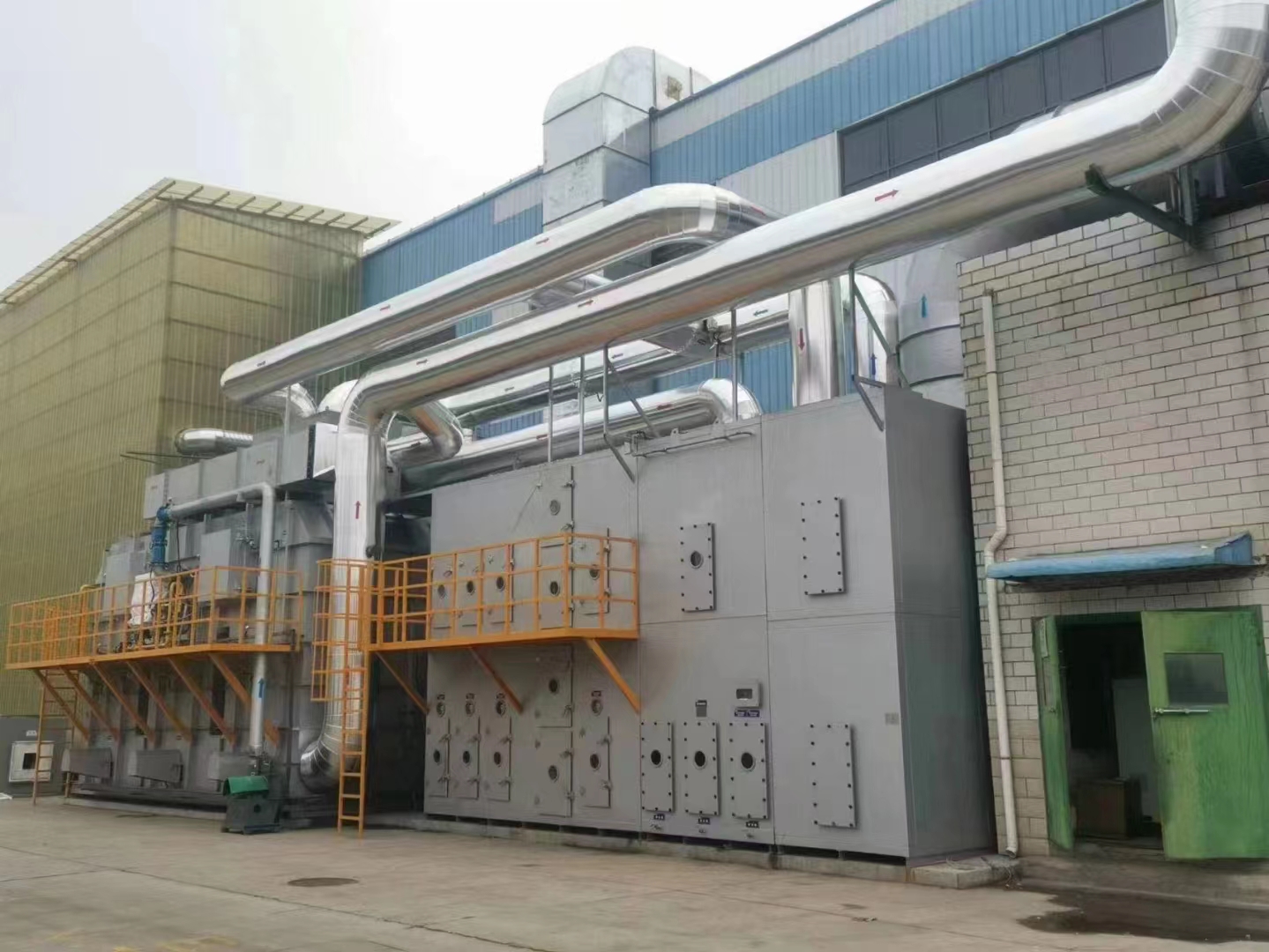
总结来说,对于制药废气,没有“一刀切”的解决方案。RTO/RCO因其高效和广泛的适用性成为主流选择,但通常需要与其他预处理技术(如喷淋、吸附、冷凝)组合使用,形成一个完整、经济、高效的处理系统。企业在选择时,务必进行详细的废气检测和分析,并咨询专业环保工程公司越华润华进行方案设计和评估。
In summary, there is no one size fits all solution for pharmaceutical waste gas. RTO/RCO has become the mainstream choice due to its high efficiency and wide applicability, but it usually needs to be combined with other pretreatment technologies such as spraying, adsorption, and condensation to form a complete, economical, and efficient treatment system. When choosing, enterprises must conduct detailed exhaust gas testing and analysis, and consult professional environmental engineering company Yuehua Runhua for scheme design and evaluation.
地址

服务热线

邮箱


截屏,微信识别二维码