地图 - 热线
15392885678
地图 - 热线
- 服务热线 - 15392885678 15069779222
危险化学品兼具有毒、有害、易燃、易爆属性,存储环节的一丝疏漏,都可能引发致命安全事故。天津港“8·12”特别重大火灾爆炸事故,就因危化品存储违规造成165人遇难、直接经济损失68.66亿元,惨痛教训警示我们:危化品库的规划设计与储存管理,必须严守规范、零容忍。今天就结合GB 55037-2022《建筑防火通用规范》,搭配实打实的数据,跟大伙唠透危化品库层数及平面布置的核心要求,筑牢安全防线。
Dangerous chemicals have toxic, harmful, flammable, and explosive properties, and even a slight negligence in storage can lead to fatal safety accidents. The "8.12" major fire and explosion accident in Tianjin Port resulted in 165 deaths and direct economic losses of 6.866 billion yuan due to illegal storage of hazardous chemicals. This painful lesson reminds us that the planning, design, and storage management of hazardous chemical warehouses must strictly adhere to regulations and have zero tolerance. Today, based on GB 55037-2022 "General Code for Building Fire Protection" and solid data, we will discuss with everyone the core requirements for the number of floors and layout of hazardous chemical warehouses, and build a strong safety defense line.
先明确核心底线:危化品库的层数管控是第一道安全关卡,绝非可灵活调整的细节。根据GB 55037-2022第4.2.5条规定,甲、乙类仓库及储存丙类可燃液体的仓库,必须采用单多层建筑,严禁建设高层建筑——这类危化品火灾蔓延速度快、爆炸威力大,高层建筑疏散难度增加80%,且救援作业受限,一旦发生事故,伤亡损失会翻倍。数据显示,违规建设高层危化品库的事故发生率,是单多层仓库的3.2倍,全程严守层数要求是安全前提。
First, clarify the core bottom line: the level control of hazardous chemical warehouses is the first safety checkpoint, and it is not a detail that can be flexibly adjusted. According to Article 4.2.5 of GB 55037-2022, Class A and Class B warehouses, as well as warehouses storing Class C flammable liquids, must use single story and multi story buildings, and it is strictly prohibited to construct high-rise buildings - these hazardous chemicals have a fast spread of fire, high explosive power, an 80% increase in evacuation difficulty in high-rise buildings, and limited rescue operations. Once an accident occurs, the casualties and losses will double. The data shows that the accident rate of illegally constructing high-rise hazardous chemical warehouses is 3.2 times higher than that of single and multi story warehouses, and strictly adhering to the layer requirements throughout the entire process is a safety prerequisite.
防火分区与防火墙分隔,是遏制事故扩散的关键,不同类别危化品的分隔要求差异显著。规范第4.2.6条明确,仓库内防火分区或库房之间,必须用防火墙分隔;其中甲、乙类仓库的防火分区的防火墙,需做到无任何开口,杜绝火焰、有毒气体通过缝隙蔓延。实操中,甲类危化品单个防火分区最大允许建筑面积不超过2500㎡,设置自动灭火系统可翻倍,而乙类仓库单个防火分区最大面积可达5000㎡,违规扩大分区会让火灾蔓延速度提升4倍以上。
The separation between fire compartments and firewalls is the key to curbing the spread of accidents, and the separation requirements for different categories of hazardous chemicals vary significantly. According to Article 4.2.6 of the regulations, fire compartments within warehouses or between warehouses must be separated by firewalls; The firewalls in the fire compartments of Class A and Class B warehouses must have no openings to prevent flames and toxic gases from spreading through gaps. In practice, the maximum allowable building area for a single fire protection zone for Class A hazardous chemicals does not exceed 2500 square meters, and the installation of an automatic fire extinguishing system can double it. However, the maximum area for a single fire protection zone for Class B warehouses can reach 5000 square meters. Unauthorized expansion of zones can increase the spread of fire by more than four times.
辅助用房的布置规范,更是藏着不可忽视的安全细节,三类仓库的要求各有侧重。根据规范第4.2.7条,所有危化品仓库内,都严禁设置员工宿舍及与库房运行管理无直接关联的用房,这类违规布置在中小危化品企业中占比约12%,是引发人员伤亡的重要诱因——一旦发生泄漏、爆炸,宿舍及无关用房人员疏散不及时,伤亡概率会大幅提升。
The layout standards of auxiliary rooms also contain important safety details that cannot be ignored, and the requirements for the three types of warehouses have their own emphasis. According to Article 4.2.7 of the regulations, it is strictly prohibited to set up employee dormitories and buildings that are not directly related to warehouse operation and management in all hazardous chemical warehouses. Such illegal arrangements account for about 12% of small and medium-sized hazardous chemical enterprises and are an important cause of casualties. Once a leak or explosion occurs, if personnel in dormitories and unrelated buildings are not evacuated in a timely manner, the probability of casualties will increase significantly.
甲、乙类仓库的管控最为严格,不仅严禁在库内设置办公室、休息室等辅助用房,更不允许与这类用房及其他场所贴邻。这类危化品多为易燃易爆、剧毒品类,如氰化钠、硝酸铵等,哪怕是微小的火花或人员活动,都可能引发事故,数据显示,甲、乙类仓库违规设置办公室的事故,死亡率高达75%以上,全程零违规布置是底线中的底线。
The control of Class A and Class B warehouses is the strictest, and it is not only strictly prohibited to set up auxiliary rooms such as offices and rest rooms inside the warehouse, but also not allowed to be adjacent to such rooms and other places. These types of hazardous chemicals are mostly flammable, explosive, and highly toxic, such as sodium cyanide, ammonium nitrate, etc. Even small sparks or human activities can cause accidents. Data shows that accidents caused by illegal office settings in Class A and B warehouses have a mortality rate of over 75%, and zero violations throughout the entire process are the bottom line.
丙、丁类仓库虽可设置办公室、休息室等辅助用房,但需满足严苛的分隔要求,缺一不可。必须采用耐火极限不低于2小时的防火隔墙、耐火极限不低于1小时的楼板,搭配防火门、防火窗实现全封闭分隔,同时辅助用房需设置独立安全出口,严禁与库房共用疏散通道。实测显示,未达标分隔的丙类仓库,火灾时辅助用房被引燃的概率达90%,规范分隔可将这一概率降至5%以下。
Although Class C and Class D warehouses can be equipped with auxiliary rooms such as offices and rest rooms, they must meet strict separation requirements and are indispensable. Fire resistant partition walls with a fire resistance limit of not less than 2 hours and floor slabs with a fire resistance limit of not less than 1 hour must be used to achieve fully enclosed separation with fire doors and windows. At the same time, independent safety exits must be set up in auxiliary rooms, and it is strictly prohibited to share evacuation routes with warehouses. Actual testing shows that in Class C warehouses that do not meet the standard for separation, the probability of auxiliary rooms being ignited during a fire is 90%. Standardized separation can reduce this probability to below 5%.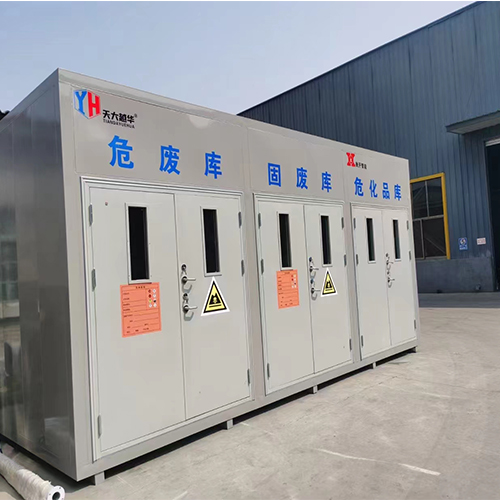
除了核心规范,还有几点细节需严守,进一步规避安全隐患。危化品库需选址在城镇规划区边缘或相对独立的安全地带,与居民区、公共设施的安全距离不小于50米,甲类危化品库需扩大至100米以上;仓库周边需设置可供消防车通行的道路,宽度不小于4米,保障救援车辆快速抵达;同时严禁在库内堆放无关物品,违规堆放会让火灾扑救难度增加60%,还可能引发二次危险。
In addition to the core specifications, there are several details that need to be strictly observed to further avoid security risks. The hazardous chemical warehouse should be located on the edge of the urban planning area or in a relatively independent safe zone, with a safe distance of not less than 50 meters from residential areas and public facilities. The Class A hazardous chemical warehouse should be expanded to over 100 meters; A road with a width of no less than 4 meters should be set up around the warehouse for fire trucks to pass through, ensuring that rescue vehicles can arrive quickly; At the same time, it is strictly prohibited to stack unrelated items in the warehouse. Unauthorized stacking can increase the difficulty of firefighting by 60% and may also cause secondary hazards.
从行业现状来看,违规存储仍是主要安全隐患,约80%的危化品存储事故,都源于未严格遵守GB 55037-2022规范,要么违规建设高层仓库,要么防火墙存在开口,要么辅助用房布置不合规。这些看似微小的违规,一旦叠加危化品的高危属性,就可能酿成无法挽回的悲剧,不仅造成巨额经济损失,还会触犯法律,相关责任人需承担刑事责任。
From the current situation of the industry, illegal storage is still the main security hazard. About 80% of hazardous chemical storage accidents stem from failure to strictly comply with the GB 55037-2022 standard, either by illegally constructing high-rise warehouses, having openings in firewalls, or non compliant layout of auxiliary buildings. These seemingly minor violations, once combined with the high-risk attributes of hazardous chemicals, may lead to irreparable tragedies, causing not only huge economic losses but also violating the law, and the relevant responsible persons shall bear criminal responsibility.
总结来说,危化品库的层数与平面布置,每一项规范都源于惨痛教训,每一个数据都彰显安全底线。严守单多层建设要求、规范防火墙分隔、杜绝违规设置辅助用房,既是落实GB 55037-2022规范的硬性要求,也是防范68亿+经济损失、守护人员安全的关键。唯有全程零违规、细节不松懈,才能让危化品存储远离隐患,兼顾生产安全与公共安全,筑牢危化品管控的第一道防线。
In summary, the number of floors and layout of hazardous chemical warehouses, as well as every standard, are derived from painful lessons, and every data reflects the safety bottom line. Strictly adhering to the requirements of single and multi story construction, standardizing firewall separation, and eliminating the illegal setting of auxiliary rooms are not only the mandatory requirements for implementing the GB 55037-2022 standard, but also the key to preventing over 6.8 billion economic losses and safeguarding personnel safety. Only with zero violations throughout the entire process and meticulous attention to detail can hazardous chemical storage be kept away from hidden dangers, balancing production safety and public safety, and building the first line of defense for hazardous chemical control.
本文由 危化品库 友情奉献.更多有关的知识请点击 http://www.tdyhhb.com/ 真诚的态度.为您提供为全面的服务.更多有关的知识我们将会陆续向大家奉献.敬请期待.
This article is a friendly contribution from the Hazardous Chemicals Warehouse For more related knowledge, please click http://www.tdyhhb.com/ Sincere attitude To provide you with comprehensive services We will gradually contribute more relevant knowledge to everyone Coming soon.
地址

服务热线

邮箱


截屏,微信识别二维码