地图 - 热线
15392885678
地图 - 热线
- 服务热线 - 15392885678 15069779222
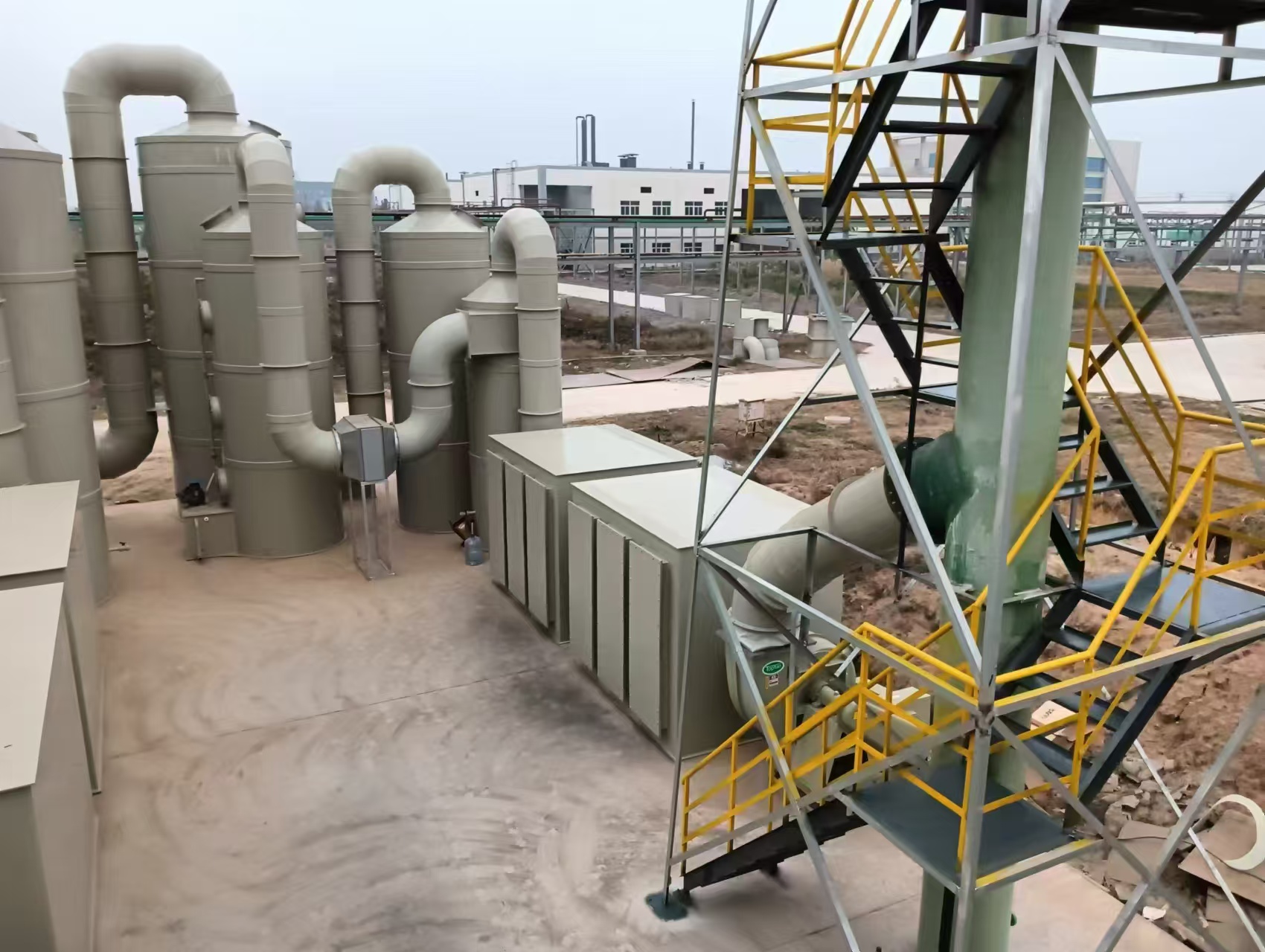
1、共用尾气排放和处置设施的风险。企业生产装置或罐区尾气共用相同的管道等设施集中收集、集中排放,可能会使不同尾气相互发生反应,或尾气串入其他储罐并与储罐中的物料发生反应,带来新的安全风险。同时,因是连通的管道系统,当其中某一点发生火情,会引发整个系统的连锁火灾或爆炸。
1. The risk of sharing exhaust emissions and disposal facilities. The centralized collection and discharge of exhaust gases from enterprise production facilities or tank areas using the same pipelines and facilities may cause different exhaust gases to react with each other or enter other storage tanks and react with the materials in the tanks, posing new safety risks. Meanwhile, as a connected pipeline system, a fire at any point can trigger a chain fire or explosion throughout the entire system.
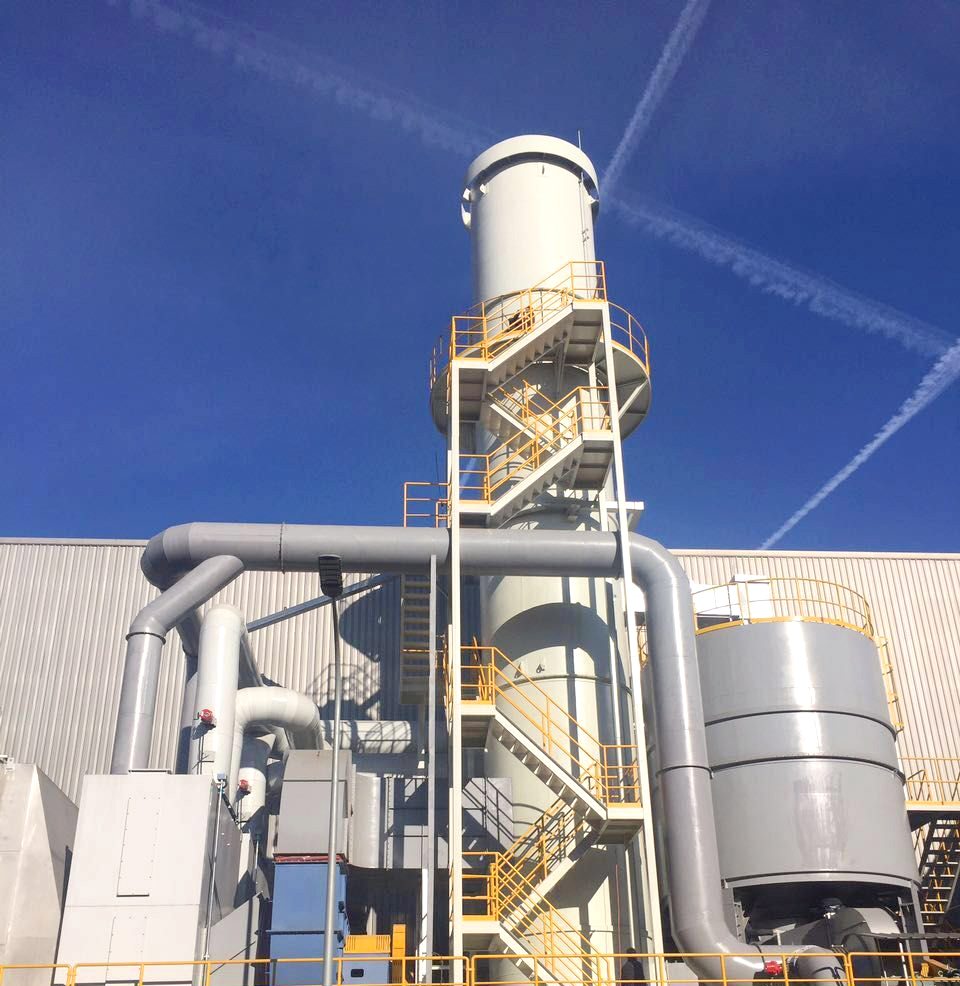
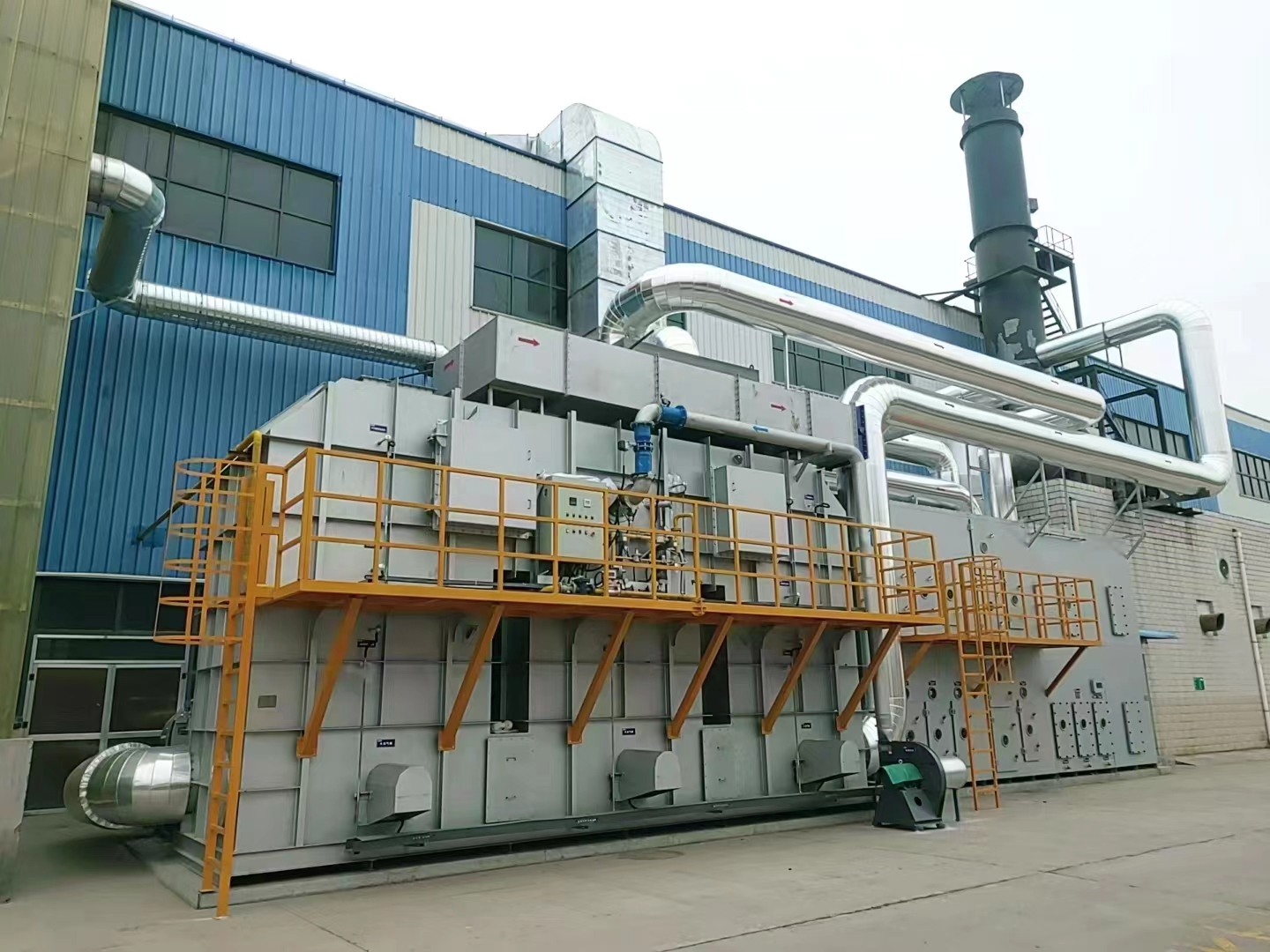
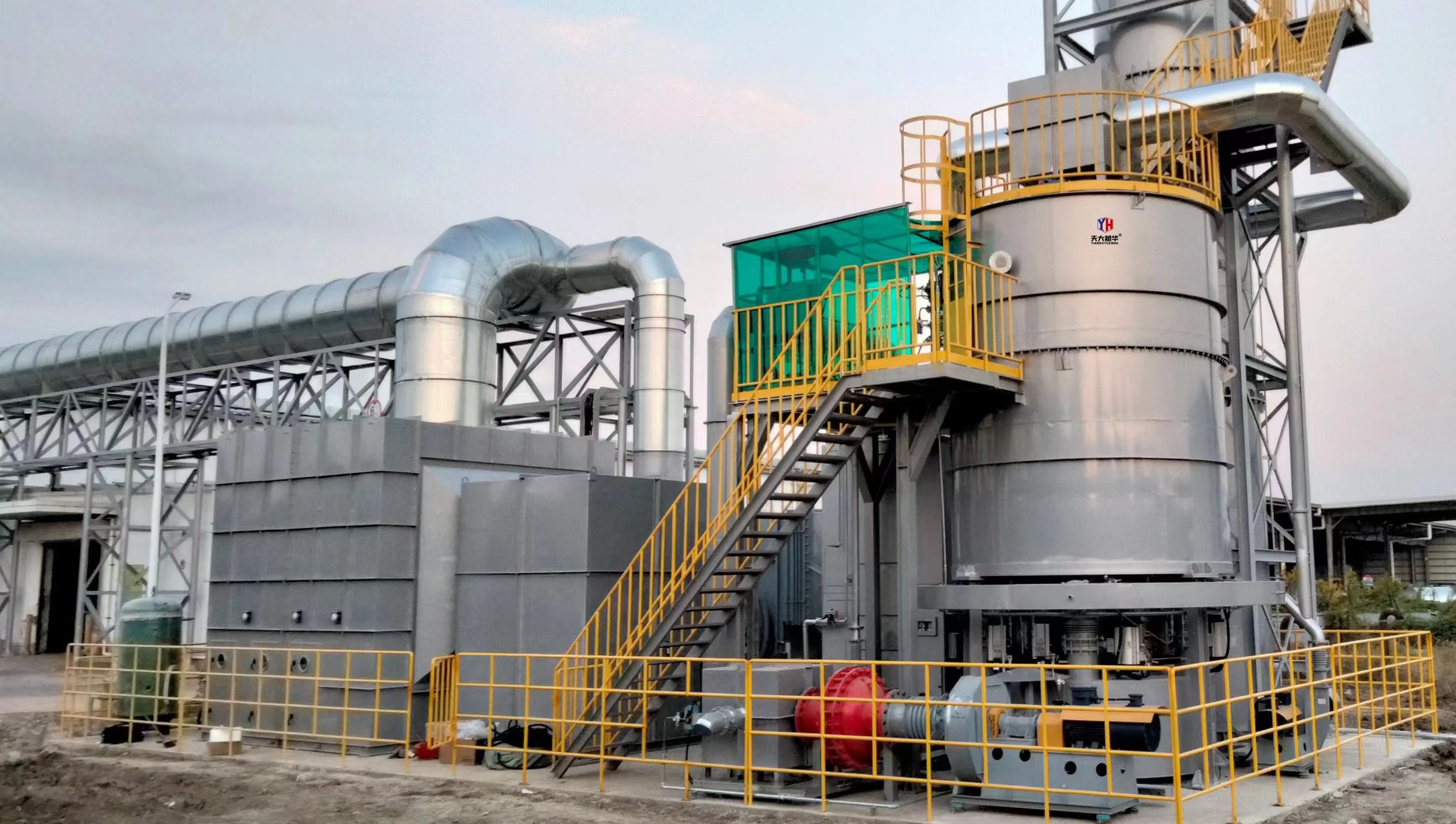
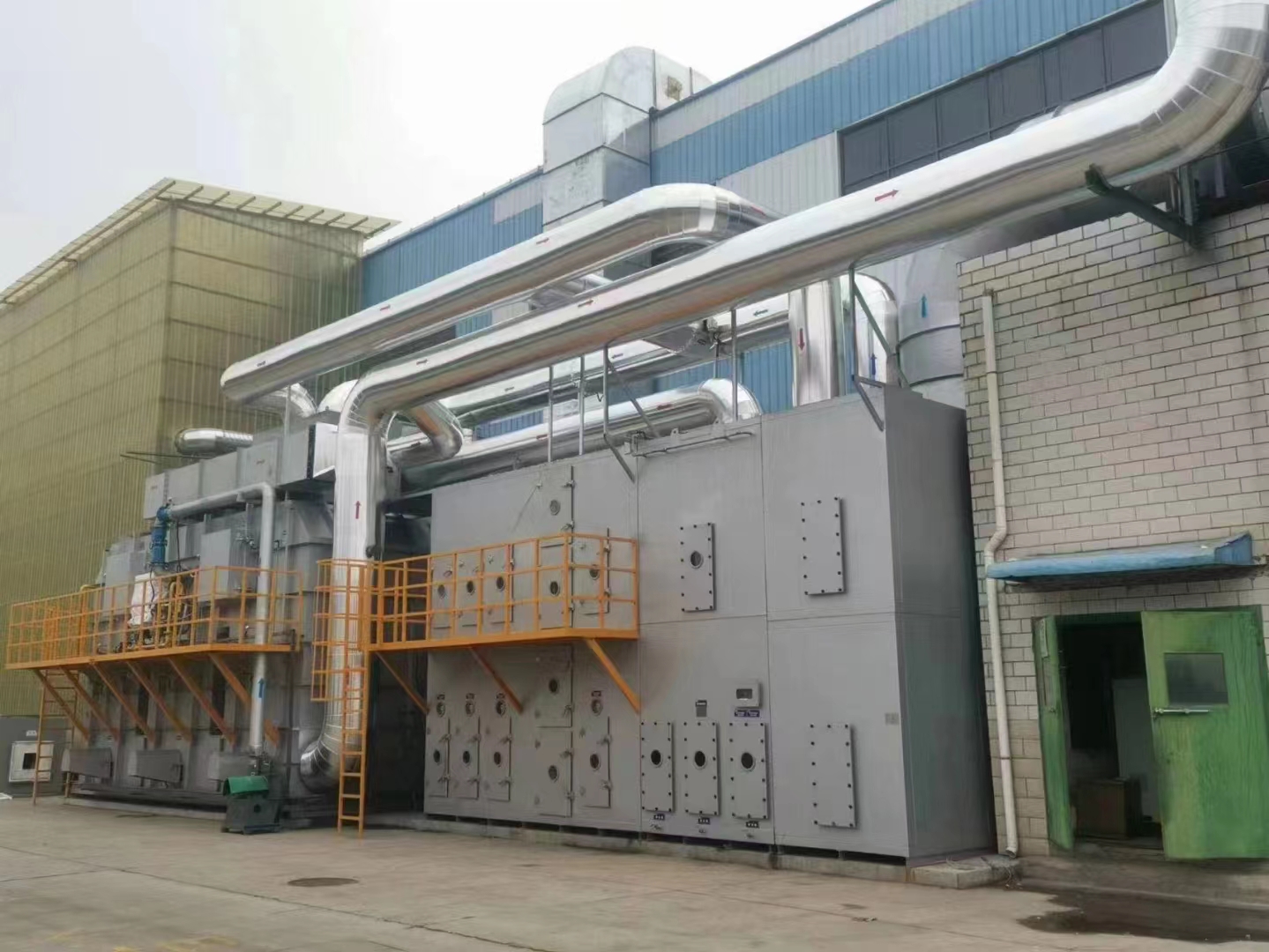
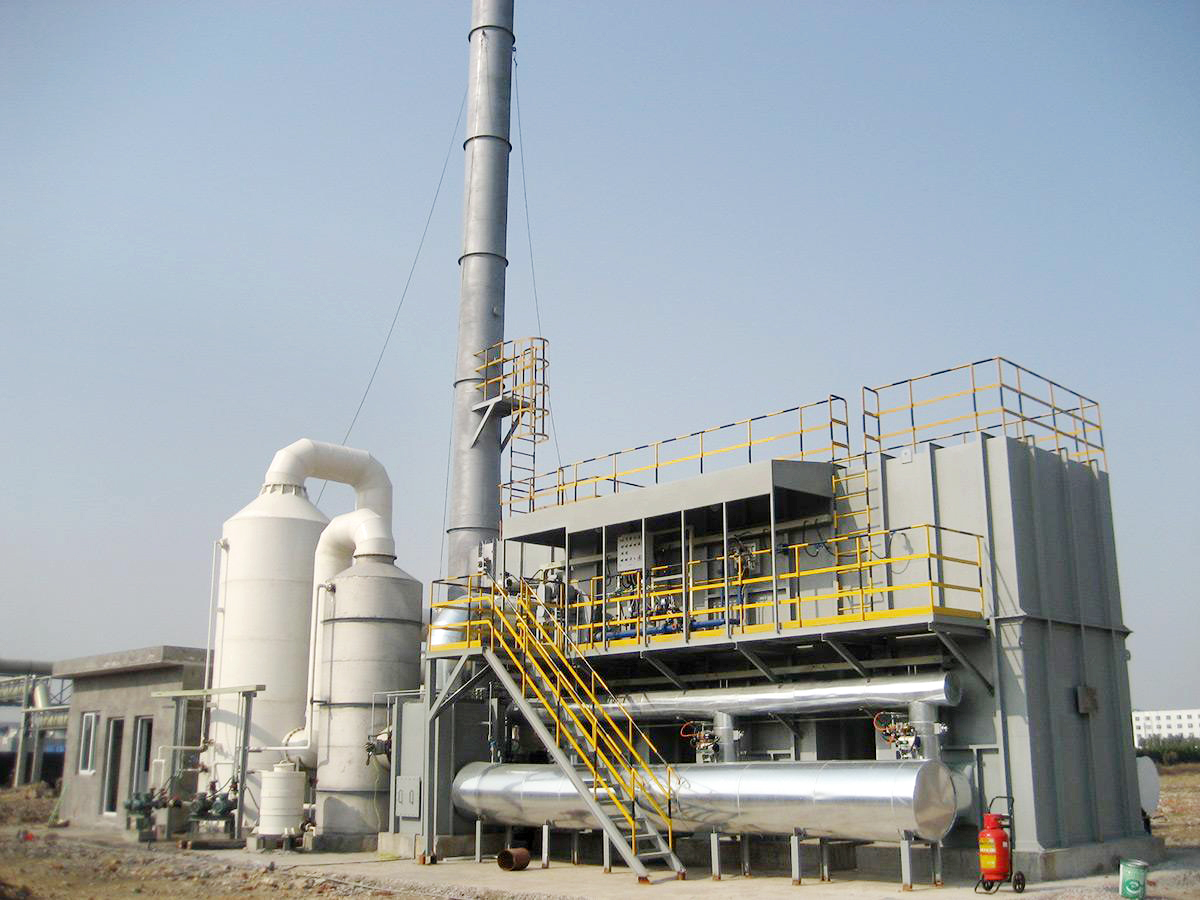
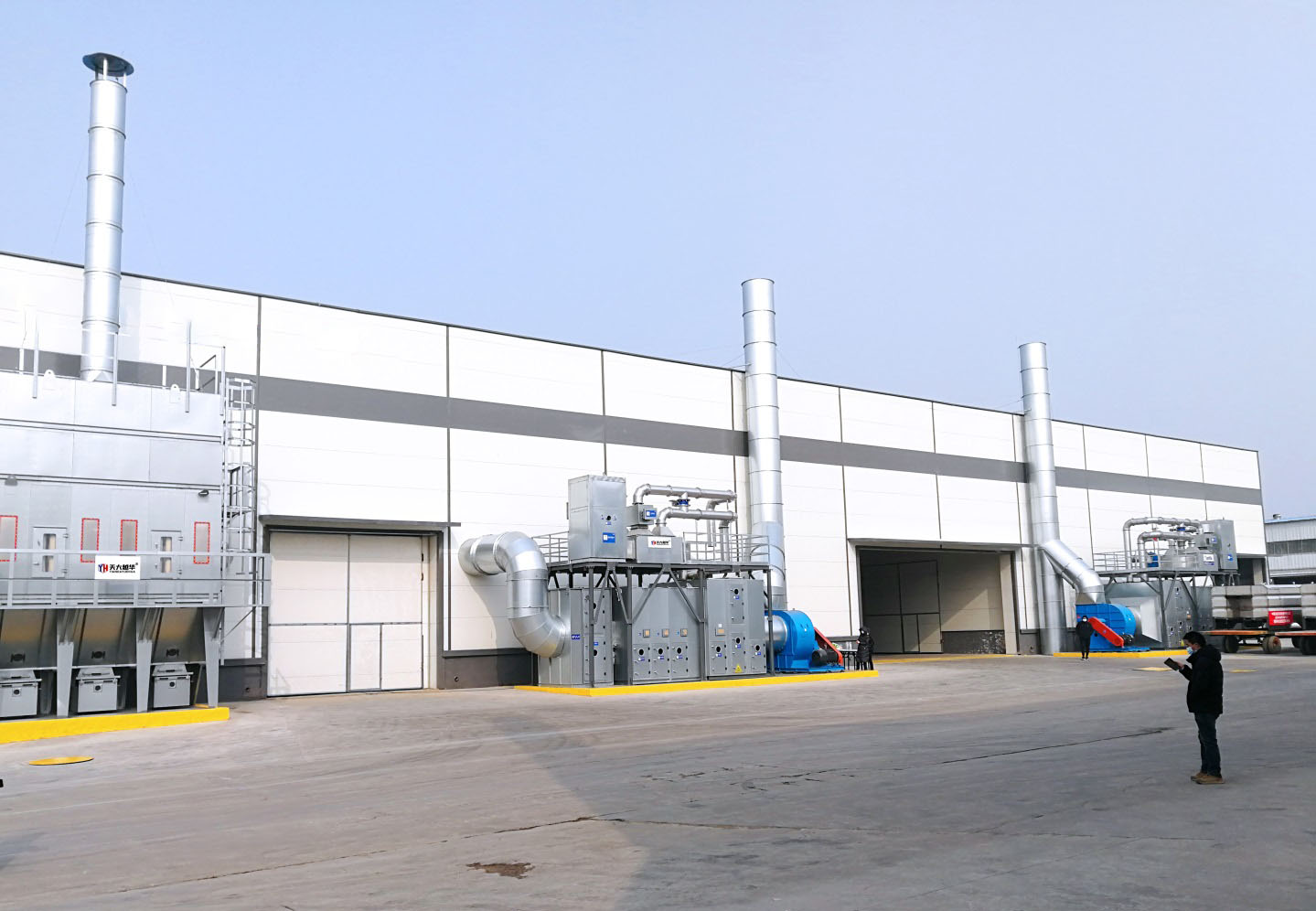
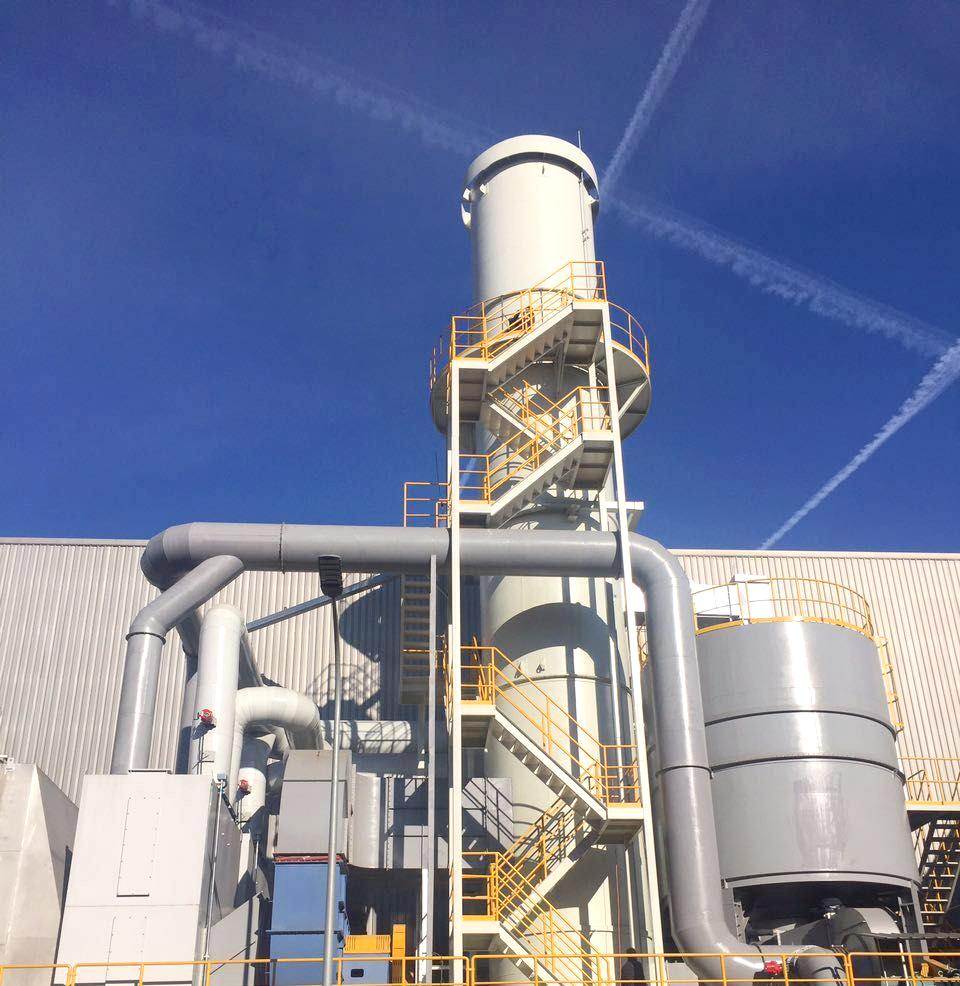
2、RTO装置运行风险。一是如果多装置尾气排放系统连通,多种气体在RTO装置中混合可能会发生反应引发火灾爆炸。二是尾气成分复杂,企业对尾气的易燃易爆气体组成、实时排放量缺少深入的分析,不能实时确定进入系统的混合气体是否达到了爆炸出众,遇点火源易引发爆炸事故。三是装置中有关设备设施采用易产生静电的材质,未设置有效的静电消除设施,在运行过程中易产生静电引爆爆炸性混合气体。笔者发现,部分企业的设计方案是采用碳钢或不锈钢材质,但在改造施工时却擅自变更为PP塑料材质。四是尾气管道未设置阻火器等安全设施,当发生火灾时,会导致火焰回串至有关生产装置或罐区,引发更加严重的火灾爆炸事故。
2. Risk of RTO device operation. One is that if multiple exhaust emission systems are connected, the mixing of multiple gases in the RTO device may cause reactions and trigger fires and explosions. Secondly, the composition of exhaust gas is complex, and enterprises lack in-depth analysis of the composition and real-time emissions of flammable and explosive gases in exhaust gas, which makes it difficult to determine in real time whether the mixed gas entering the system has reached the explosion limit. Encountering ignition sources can easily lead to explosion accidents. Thirdly, the equipment and facilities in the device are made of materials that are prone to static electricity, and effective static elimination facilities are not installed, which can easily generate static electricity and ignite explosive mixed gases during operation. The author found that some companies' design schemes use carbon steel or stainless steel materials, but they change to PP plastic materials without authorization during the renovation construction. The fourth issue is that the exhaust pipeline is not equipped with safety facilities such as flame arresters. In the event of a fire, it can cause flames to propagate back to relevant production facilities or tank areas, leading to more serious fire and explosion accidents.
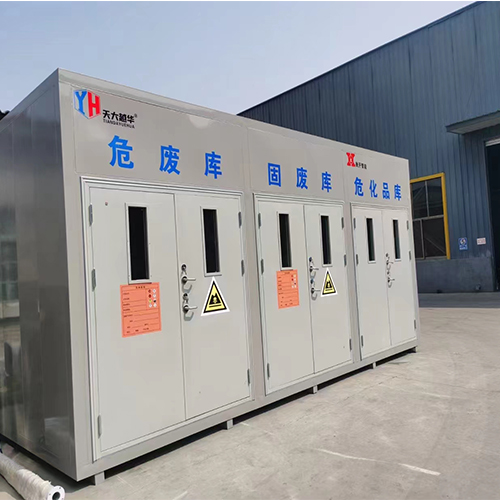
3、尾气吸收或VOCs治理项目施工风险。项目施工过程中,往往涉及动火作业等特殊作业,如果特殊作业管理与承包商管理不到位,忽视尾气吸收或VOCs治理项目设备设施中可能存在的易燃易爆气体环境,作业前没有进行深入的风险分析,没有采取必要的隔离、吹扫、可燃气体分析等安全措施,贸然进行动火作业,非常容易引发火灾爆炸事故。尤其是当储罐或反应设备尾气管线连通排放,改造动火时,虽然动火点所在的储罐或设备已置换、分析合适,但却疏忽了在相连的尾气管线上加盲板进行隔离,导致动火过程中其他储罐或设备中的易燃气体串至动火的储罐或设备,而发生闪爆。
3. Construction risks of exhaust gas absorption or VOCs treatment projects. During the construction process of a project, special operations such as hot work are often involved. If the management of special operations and contractors is not in place, and the flammable and explosive gas environment that may exist in the exhaust gas absorption or VOCs treatment project equipment and facilities is ignored, without conducting in-depth risk analysis before the operation, and without taking necessary safety measures such as isolation, purging, and combustible gas analysis, rashly carrying out hot work can easily lead to fire and explosion accidents. Especially when the tail gas pipeline of storage tanks or reaction equipment is connected and discharged, and hot work is carried out, although the storage tank or equipment where the hot work point is located has been replaced and analyzed appropriately, blind plates are neglected to isolate the connected tail gas pipeline, resulting in flammable gases from other storage tanks or equipment flowing into the hot work storage tank or equipment during the hot work process, leading to flash explosion.
4、电气设备设施非防爆的风险。尾气吸收或VOCs治理项目施工中忽略了电气设施防爆要求,在爆炸危险环境中选用了非防爆电气设备设施,存在引发火灾事故的风险。
4. The risk of non explosion proof electrical equipment and facilities. During the construction of exhaust gas absorption or VOCs treatment projects, the explosion-proof requirements of electrical facilities were ignored, and non explosion-proof electrical equipment and facilities were selected in explosive hazardous environments, which poses a risk of fire accidents.
5、易燃易爆物料罐区氮封异常的风险。企业易燃易爆介质罐区如果氮封系统异常,如氮封压力不足、氮封系统停运,导致储罐内进入空气形成爆炸性混合气体,在尾气排放时,爆炸性混合气体扩散到整个尾气系统和RTO系统,易引发火灾爆炸。
5. The risk of abnormal nitrogen sealing in flammable and explosive material tank areas. If the nitrogen sealing system in the flammable and explosive medium tank area of the enterprise is abnormal, such as insufficient nitrogen sealing pressure or shutdown of the nitrogen sealing system, it will cause air to enter the storage tank and form explosive mixture gas. When the exhaust gas is discharged, the explosive mixture gas will spread to the entire exhaust system and RTO system, which is prone to fire and explosion.
6、易燃易爆物料罐区氮封异常的风险。企业易燃易爆介质罐区如果氮封系统异常,如氮封压力不足、氮封系统停运,导致储罐内进入空气形成爆炸性混合气体,在尾气排放时,爆炸性混合气体扩散到整个尾气系统和RTO系统,易引发火灾爆炸。
6. The risk of abnormal nitrogen sealing in flammable and explosive material tank areas. If the nitrogen sealing system in the flammable and explosive medium tank area of the enterprise is abnormal, such as insufficient nitrogen sealing pressure or shutdown of the nitrogen sealing system, it will cause air to enter the storage tank and form explosive mixture gas. When the exhaust gas is discharged, the explosive mixture gas will spread to the entire exhaust system and RTO system, which is prone to fire and explosion.
7、污水处理设备密闭管理的风险。含油污水池、污水处理系统实行封闭式管理,可能使可燃气体积聚,易发生爆炸事故。生产车间密闭管理,可能会造成厂房内通风不畅,使逸出的气体出现积聚,易发生爆炸。
7. The risk of closed management of sewage treatment equipment. The closed management of oil contaminated water tanks and sewage treatment systems may lead to the accumulation of combustible gases and the risk of explosion accidents. The closed management of production workshops may cause poor ventilation in the factory, leading to the accumulation of escaping gases and the risk of explosions.
地址

服务热线

邮箱


截屏,微信识别二维码