地图 - 热线
15392885678
地图 - 热线
- 服务热线 - 15392885678 15069779222
近年来,随着环保意识的提升,危险废物的处理和储存愈发受到重视。很多企业在建设高校实验室危废暂存库时,都会询问,高校实验室危废暂存库的面积合理性到底该如何分析?一个平方能承载多少吨的危废?又是否有相关的指导文件可以参考?
In recent years, with the increasing awareness of environmental protection, the treatment and storage of hazardous waste have received increasing attention. Many companies ask how to analyze the rationality of the area of hazardous waste storage facilities in university laboratories when constructing such facilities? How many tons of hazardous waste can be carried by one square meter? Are there any relevant guidance documents to refer to?
高校实验室危废暂存库作为储存和处理危险废物的重要设施,其设计和建设直接关系到企业的环保责任与合规风险。然而,不同地区、不同企业的具体情况各有差异,很难形成统一的标准。于是,有关高校实验室危废暂存库的面积是否合理,便成了环保行业内讨论的焦点。
As an important facility for storing and processing hazardous waste, the design and construction of hazardous waste temporary storage facilities in university laboratories directly affect the environmental responsibility and compliance risks of enterprises. However, the specific situations of different regions and enterprises vary, making it difficult to form a unified standard. Therefore, whether the area of hazardous waste temporary storage in university laboratories is reasonable has become a focus of discussion in the environmental protection industry.
一项普遍的看法认为,高校实验室危废暂存库的面积设计应根据实际产生的危废量、贮存时间以及国家、地方的相关规定进行合理化评估。比如,有的地方规定每平方米的危废储存量在1到2吨之间。这样算来,一个100平方米的高校实验室危废暂存库,能储存的危废量就大概在100到200吨之间。可是,这仅仅是基础的计算,很多细节问题也会受到其他因素的影响,例如危废的种类、流动性、处理设施的有效性等,均是评估时必须考虑的要素。
A common view is that the area design of hazardous waste temporary storage facilities in university laboratories should be reasonably evaluated based on the actual amount of hazardous waste generated, storage time, and relevant national and local regulations. For example, some places stipulate that the storage capacity of hazardous waste per square meter is between 1 and 2 tons. In this way, a 100 square meter university laboratory hazardous waste storage facility can store approximately 100 to 200 tons of hazardous waste. However, this is only a basic calculation, and many details may also be affected by other factors, such as the type of hazardous waste, fluidity, and effectiveness of treatment facilities, which are all essential factors to consider when evaluating.
最近,在多个环保知识分享群中,这个话题愈发引发热烈讨论,许多同行分享了对高校实验室危废暂存库面积增加是否属于重大变动的看法。根据环境部的有关文献,高校实验室危废暂存库面积的增加如果超过了30%,可能就算是重大变动。这就形成了一种新的讨论,既然高校实验室危废暂存库的面积极为重要,那么在具体实施过程中,该如何进行合理性分析呢?
Recently, this topic has sparked heated discussions in multiple environmental knowledge sharing groups, with many peers sharing their views on whether the increase in hazardous waste storage area in university laboratories is a significant change. According to relevant literature from the Ministry of Environment, an increase in the area of hazardous waste storage facilities in university laboratories exceeding 30% may be considered a significant change. This has led to a new discussion. Since the area of hazardous waste storage in university laboratories is extremely important, how should a rational analysis be conducted in the specific implementation process?
针对这一疑问,环保行业内的专家们表示,首先需建立详细记录,了解各部门对危废区域面积的具体要求。各个省份的要求各有差异,这些政策和规定为企业的设计和建设提供了很大的参考依据。比如,环办环评函〔2020〕688号对此进行了详细的说明,其中提到对于储存能力的评估,必须结合工程实际和专业知识,而不是仅仅依赖于统计数字。
In response to this question, experts in the environmental protection industry suggest that detailed records need to be established first to understand the specific requirements of each department for the area of hazardous waste. The requirements vary from province to province, and these policies and regulations provide a great reference for the design and construction of enterprises. For example, the Environmental Impact Assessment Letter [2020] No. 688 from the Environmental Protection Office provides a detailed explanation, stating that the assessment of storage capacity must be based on engineering practice and professional knowledge, rather than relying solely on statistical data.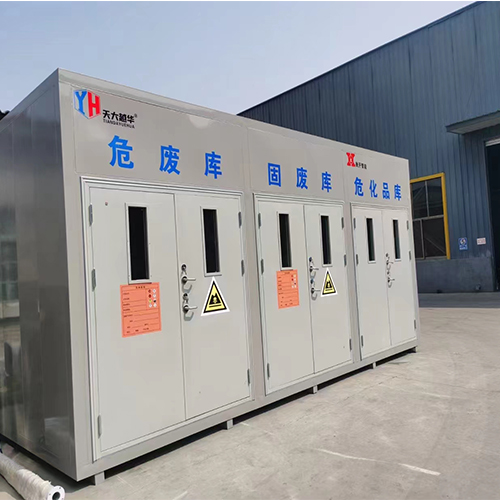
与此同时,环评方面也存在一些纠纷和争议。许多企业在实施过程中发现,虽然按照规定设计了符合标准的高校实验室危废暂存库,但在验收时仍被认为不符合要求。在这样的情况下,不少技术人员呼吁,应该通过更加细致的评估,来判断高校实验室危废暂存库面积的合理性,包括具体的危废类型、数量及其流动性等。
At the same time, there are also some disputes and controversies in the field of environmental impact assessment. Many enterprises have found during the implementation process that although they have designed hazardous waste temporary storage warehouses for university laboratories that meet the standards according to regulations, they are still considered non compliant during acceptance. In this situation, many technicians call for a more detailed evaluation to determine the rationality of the area of hazardous waste temporary storage in university laboratories, including specific types, quantities, and fluidity of hazardous waste.
值得提醒企业的是,国家和地方政府近年来对环保要求的升级,使得高校实验室危废暂存库的管理复杂化。尤其是一些设备老旧、处理能力不足的企业,很可能在危废管理上面临更大的挑战。就这一现状,环保小智为许多企业提供了便捷的服务,包括危废物联网称重解决方案、标签打印服务等,帮助企业更好地管理危废。
It is worth reminding enterprises that the upgrading of environmental protection requirements by national and local governments in recent years has made the management of hazardous waste storage facilities in university laboratories more complex. Especially for some enterprises with outdated equipment and insufficient processing capacity, they are likely to face greater challenges in hazardous waste management. In this situation, Environmental Smart provides convenient services for many enterprises, including hazardous waste online weighing solutions, label printing services, etc., to help enterprises better manage hazardous waste.
在这类技术支持下,企业不仅能节省时间成本,还可确保信息准确无误。有业内人士指出,倘若能通过大数据与人工智能的协作,实现危废的全过程监测与管理,无疑将提升整体运营效率,为企业的环保工作增添一臂之力。
With such technological support, enterprises can not only save time and costs, but also ensure accurate and error free information. Industry insiders have pointed out that if the full process monitoring and management of hazardous waste can be achieved through the collaboration of big data and artificial intelligence, it will undoubtedly improve overall operational efficiency and add a helping hand to the environmental protection work of enterprises.
而关于高校实验室危废暂存库面积的合理性问题,也许在行业内究竟会形成怎样的共识,仍然需要企业与专家共同努力、继续摸索。有疑问的企业可以去相关的环保服务平台进行咨询,获取更多的信息。该平台还提供最新的环保文件更新和教学资源,帮助企业适应不断变化的监督要求。
As for the rationality of the area of hazardous waste temporary storage in university laboratories, what kind of consensus may be formed in the industry still requires joint efforts and continued exploration by enterprises and experts. Enterprises with questions can consult relevant environmental service platforms to obtain more information. The platform also provides the latest updates on environmental protection documents and teaching resources to help businesses adapt to constantly changing supervision requirements.
总的来说,高校实验室危废暂存库的建设与管理是个复杂的问题,它不仅影响企业的合法运营,也关系到社会和环境的可持续发展。作为企业,及时了解并掌握相关政策与技术,将是应对危废管理挑战的有效途径。随着环保要求的不断增强,未来的危废管理工作势必会越来越精细化,也希望更多业内人士能够参与进来,携手推动环保事业的发展。
Overall, the construction and management of hazardous waste storage facilities in university laboratories is a complex issue that not only affects the legitimate operation of enterprises, but also relates to the sustainable development of society and the environment. As a company, timely understanding and mastering relevant policies and technologies will be an effective way to address the challenges of hazardous waste management. With the continuous enhancement of environmental protection requirements, the management of hazardous waste in the future will inevitably become more refined. We also hope that more industry professionals can participate and work together to promote the development of environmental protection.
地址

服务热线

邮箱


截屏,微信识别二维码