地图 - 热线
15392885678
地图 - 热线
- 服务热线 - 15392885678 15069779222
很多人以为“沸石转轮+CO”装上就能稳达标,其实转轮前面有三道隐形门,没拦住,后面CO炉再贵也白搭。
Many people think that installing a "zeolite wheel+CO" can ensure stable compliance, but in fact, there are three invisible doors in front of the wheel that cannot be stopped, and no matter how expensive the CO furnace is, it is useless.
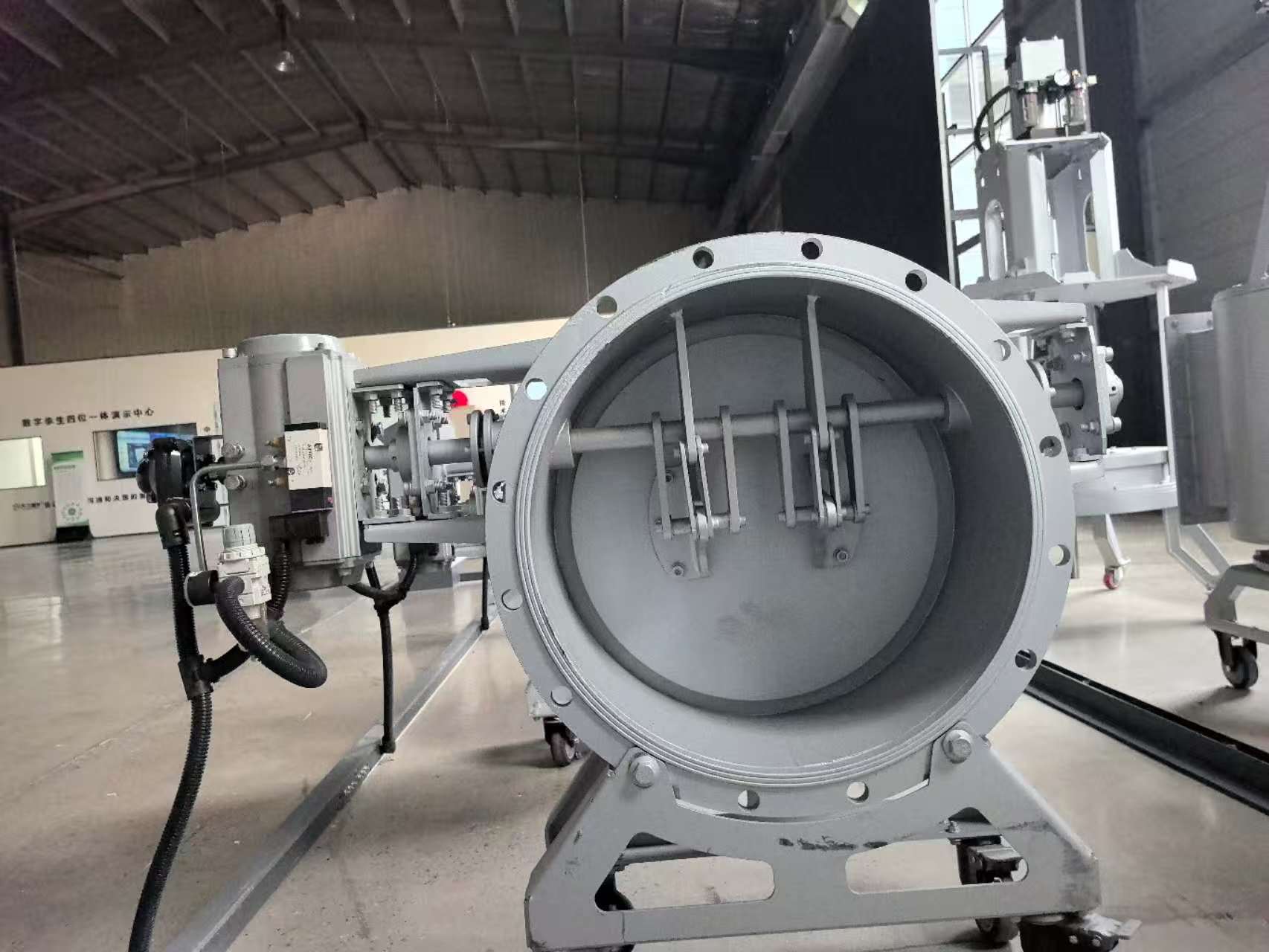
第一道:粉尘和漆雾。
The first step is dust and paint mist.
沸石是蜂窝微孔结构,孔径在纳米级。废气里带漆雾、粉尘、油雾,先糊在转轮表面,微孔一堵,吸附容量断崖式掉。喷涂、印刷、胶水工序,前端建议上多级过滤,G4+F7起步,重漆雾加旋风或文丘里。别等转轮压差翻倍才换滤芯,那时孔道已经半废。
Zeolite is a honeycomb microporous structure with pore sizes in the nanometer range. The exhaust gas contains paint mist, dust, and oil mist, which first stick to the surface of the impeller, blocking the micropores and causing the adsorption capacity to plummet. Spray painting, printing, and adhesive processes require multi-stage filtration at the front end, starting with G4+F7, and adding heavy paint mist with whirlwind or Venturi. Don't wait until the differential pressure of the impeller doubles before replacing the filter element, by then the duct will be semi useless.
第二道:水汽和温度。
Second question: Water vapor and temperature.
沸石疏水,但不是不怕水。进气温度长期超40℃,吸附效率往下走;相对湿度飙到80%以上,水分子跟VOCs抢孔位。高温废气先降温至30–35℃,高湿工况加表冷除湿。夏天室外新风混进系统,不控湿,浓缩比直接缩水。
Zeolite is hydrophobic, but not afraid of water. The intake temperature exceeds 40 ℃ for a long time, and the adsorption efficiency decreases; When the relative humidity reaches over 80%, water molecules compete with VOCs for pore positions. The high-temperature exhaust gas is first cooled to 30-35 ℃, and surface cooling dehumidification is added under high humidity conditions. In summer, outdoor fresh air mixed into the system, without humidity control, the concentration ratio directly shrinks.
第三道:高沸点和毒物。
Thirdly, high boiling points and toxins.
沸点超220℃的组分(如增塑剂、树脂单体)在180–220℃脱附不干净,会在孔道里聚合积碳,转轮慢慢“石化”。含硅、硫、磷、卤素的废气更麻烦——硅让沸石永久失活,卤素和硫会毒死CO催化剂。这类工况要么前置冷凝回收,要么先碱洗/除硅,别指望转轮和催化剂自己扛。
Components with boiling points exceeding 220 ℃ (such as plasticizers and resin monomers) may not desorb completely at 180-220 ℃, and will aggregate and accumulate carbon in the pores, slowly "petrifying" the impeller. Waste gases containing silicon, sulfur, phosphorus, and halogens are more troublesome - silicon permanently inactivates zeolites, while halogens and sulfur can poison CO catalysts. This type of working condition requires either pre condensation recovery or alkali washing/desilication first, don't expect the impeller and catalyst to handle it themselves.
这三道门过了,才轮到谈浓缩比。
After passing these three doors, it's time to talk about the concentration ratio.
工程上浓缩比一般控10–15倍:太低,后端CO风量还是大;太高,脱附不净,出口浓度周期波动。脱附风温180–220℃,转轮转速按进气浓度调,不是越快越好。
In engineering, the concentration ratio is generally controlled at 10-15 times: it is too low, and the CO air volume at the back end is still large; Too high, incomplete desorption, and periodic fluctuations in export concentration. The desorption air temperature is 180-220 ℃, and the rotor speed is adjusted according to the intake concentration, not the faster the better.
CO段也别忽视两点:空速和LEL联锁。催化床空速控在10000–20000 h⁻¹,接触时间不够氧化不完全;脱附废气进炉前测浓度,超爆炸下限25%自动稀释或旁通,无明火不等于无风险。
Don't overlook two points in the CO section: airspeed and LEL interlock. The catalytic bed air velocity is controlled at 10000-20000 h ⁻¹, and the contact time is insufficient for incomplete oxidation; Measure the concentration of desorbed exhaust gas before entering the furnace. If it exceeds the lower explosive limit by 25%, it will be automatically diluted or bypassed. No open flame does not mean no risk.
整套系统逻辑是:先保转轮干净,再保脱附有效,非常后让CO在低温区间稳稳烧掉。预处理省一步,后面全是返工。
The entire system logic is to first ensure that the rotor is clean, then ensure complete desorption, and finally allow CO to burn steadily in the low temperature range. Preprocessing saves one step, and the rest is rework.
地址

服务热线

邮箱


截屏,微信识别二维码