地图 - 热线
15392885678
地图 - 热线
- 服务热线 - 15392885678 15069779222
危险废物妥善包装、贮存是污染控制的“第一道防线”各相关单位应高度重视
Proper packaging and storage of hazardous waste is the "first line of defense" for pollution control, and all relevant units should attach great importance to it
危险废物贮存污染控制有哪些规范要点?
What are the key regulatory points for pollution control in hazardous waste storage?
01
01
危险废物贮存设施
Hazardous waste storage facilities
不应露天堆放危险废物!应根据危险废物的类别、数量、形态、物理化学性质和环境风险等因素,选择贮存库、贮存场、贮存池和贮存罐区等贮存设施,危险废物登记管理单位(小微单位)可以采用“贮存点”方式,但实时贮存量
Dangerous waste should not be piled up outdoors! Storage facilities such as warehouses, storage yards, storage pools, and storage tank areas should be selected based on factors such as the type, quantity, form, physical and chemical properties, and environmental risks of hazardous waste. Hazardous waste registration and management units (small and micro units) can use the "storage point" method, but real-time storage capacity is limited
不能超过3吨!
Cannot exceed 3 tons!
1.贮存仓库
1. Storage warehouse
应根据要求设置必要的贮存
Necessary storage should be set up according to requirements
分区。
Partition.
分区之间可采用过道、隔板或
Corridors, partitions, or
隔墙等方式隔离。
Separate by partition walls or other means.
根据需要,设置液体泄漏堵截设施、渗滤液收集设施、
Set up liquid leakage interception facilities and leachate collection facilities as needed
气体收集装置和气体净化设施。
Gas collection devices and gas purification facilities.
2.贮存罐区
2. Storage tank area
应设置在围堰内
Should be set inside the cofferdam
围堰应进行表面防渗、基础防渗
The cofferdam should be subjected to surface anti-seepage and foundation anti-seepage measures
围堰不能有缺口,容积应至少满足其内部最大贮存罐发生意外泄漏时所需要的危险废物收集容积要求。
The cofferdam must not have any gaps, and its capacity should at least meet the hazardous waste collection volume requirements in case of accidental leakage of the largest storage tank inside.
3.贮存池
3. Storage pool
用于贮存单一类别液态或半固态危险废物应位于室内或具有顶棚(盖)防渗层应覆盖整个池体,并进行基础防渗具有防止雨水、地面径流等进入,减少大气污染物的无组织排放等的措施
The storage of single category liquid or semi-solid hazardous waste should be located indoors or covered with a waterproof layer that covers the entire pool, and basic anti-seepage measures should be taken to prevent rainwater, surface runoff, etc. from entering and reduce unorganized emissions of atmospheric pollutants
4.贮存场
4. Storage yard
用于贮存不易产生粉尘、挥发性有机物(VOCs)、酸雾、有毒有害大气污染物和刺激性气味气体的大宗危险废物。
Used for storing bulk hazardous waste that is not prone to generating dust, volatile organic compounds (VOCs), acid mist, toxic and harmful air pollutants, and irritating odor gases.
应设置径流疏导系统,整体或分区设计液体导流和收集设施。
A runoff diversion system should be established, and liquid diversion and collection facilities should be designed as a whole or in zones.
03
03
防渗要求
Anti leakage requirements
采用坚固的材料建造,表面无裂缝液等接触的构筑物表面
Constructed with sturdy materials, the surface of the structure is free from cracks or contact with liquids
防渗、防腐材料应覆盖所有可能与废物及其渗滤液、渗漏
The anti-seepage and anti-corrosion materials should cover all possible waste, leachate, and leakage
表面防渗:应与所接触的物料或污染物相容,可采用抗渗混凝土、高密度聚乙烯膜、钠基膨润土防水毯或其他防渗性能等效的材料。
Surface anti-seepage: It should be compatible with the materials or pollutants it comes into contact with, and can be made of anti-seepage concrete, high-density polyethylene film, sodium based bentonite waterproof blanket, or other materials with equivalent anti-seepage performance.
基础防渗:防渗层为至少1m厚黏土层(渗透系数不大于107cm/s),或至少2mm厚高密度聚乙烯膜等人工防渗材料(渗透系数不大于10-10cm/s),或其他防渗性能等效的材料。
Basic anti-seepage: The anti-seepage layer is at least 1m thick clay layer (permeability coefficient not greater than 107cm/s), or at least 2mm thick artificial anti-seepage materials such as high-density polyethylene film (permeability coefficient not greater than 10-10cm/s), or other materials with equivalent anti-seepage performance.
防雨要求
Rainproof requirements
不应露天堆放危险废物!
Dangerous waste should not be piled up outdoors!
在贮存设施内的,也应防止雨水冲淋危险废物
In storage facilities, it is also necessary to prevent rainwater from washing hazardous waste
通过径流疏导系统,或其他防止雨水、地面径流等进入的措施,保证能防止当地重现期不小于25年的暴雨流入。
The runoff diversion system or other measures to prevent rainwater, surface runoff, etc. from entering shall be taken to prevent the inflow of local rainstorm with a return period of not less than 25 years.
05
05
泄漏堵截要求
Leakage interception requirements
在贮存库内或通过贮存分区方式贮存液态危险废物的,应具有液体泄漏堵截设施,堵截设施最小容积不应低于对应贮存区域最大液态废物容器容积或液态废物总储量1/10(二者取较大者);用于贮存可能产生渗滤液的危险废物的贮存库或贮存分区应设计渗滤液收集设施,收集设施容积应满足渗滤液的收集要求。
If liquid hazardous waste is stored in a storage warehouse or through storage zoning, liquid leakage blocking facilities should be installed. The minimum volume of the blocking facilities should not be less than the maximum liquid waste container volume or 1/10 of the total liquid waste storage capacity in the corresponding storage area (whichever is larger); Storage facilities or zones for hazardous waste that may generate leachate should be designed with leachate collection facilities, and the volume of the collection facilities should meet the requirements for leachate collection.
贮存罐区围堰容积应至少满足其内部最大贮存罐发生意外泄漏时所需要的危险废物收集容积要求。
The cofferdam volume of the storage tank area should at least meet the hazardous waste collection volume requirements in case of accidental leakage of the largest storage tank inside.
贮存场可整体或分区设计液体(不仅指泄漏)导流和收集设施,收集设施容积应保证在最不利条件下可以容纳对应贮存区域产生的渗滤液、废水等液态物质。
The storage area can be designed with liquid (not just leakage) diversion and collection facilities as a whole or in zones. The volume of the collection facilities should ensure that they can accommodate liquid substances such as leachate and wastewater generated in the corresponding storage area under the most unfavorable conditions.
03101
03101
应急
emergency
事故水池
Accident pool
气体净化要求
Gas purification requirements
贮存易产生粉尘、VOCs、酸雾、有毒有害大气污染物和刺激性气味气体的危险废物贮存库,应设置气体收集装置和气体净化设施
Storage can easily generate dust VOCs、 Hazardous waste storage facilities for acid mist, toxic and harmful atmospheric pollutants, and irritating odor gases should be equipped with gas collection devices and gas purification facilities
分类收集、妥善包装
Classify and collect, properly package
01
01
按废物名称,分类收集、分别记录,即使是相同危废代码的不同废物;有必要区分的不同产废环节的,即使是同名称废物也应分别收集、包装和记录。主要目的是实现“可查询、可
Classify and collect waste according to their names, and record them separately, even for different wastes with the same hazardous waste code; It is necessary to distinguish between different waste production processes, and even waste with the same name should be collected, packaged, and recorded separately. The main purpose is to achieve 'searchable, searchable'
追溯”
Tracing back "
02
02
容器和包装物
Containers and packaging materials
应注意相容性,满足防渗、防漏、防
Attention should be paid to compatibility, meeting the requirements of anti-seepage, leak proof, and leak proof
腐和强度等要求。
Requirements for corrosion and strength.
闭口包装、封口严密。易产生粉尘、VOCs、酸雾、有毒有害大气污染物和刺激性气味气体的危险废物应装时应封口严密。
Closed packaging, tightly sealed. Easy to generate dust VOCs、 Hazardous waste containing acid mist, toxic and harmful air pollutants, and irritating odor gases should be sealed tightly when packaged.
入闭口容器或包装物内贮存。柔性容器和包装物堆叠码放
Store in closed containers or packaging materials. Stacking and stacking flexible containers and packaging materials
无破损,不渗不漏,外表面应保持清洁。强度上,不应因堆叠码放导致破损泄漏、明显变形(硬质容器和包装物及其支护结构)。
No damage, no leakage, and the outer surface should be kept clean. In terms of strength, there should be no damage, leakage, or significant deformation caused by stacking and stacking (hard containers and packaging materials and their supporting structures).
求,填写、设置危险废物标签
Request, fill in, and set hazardous waste labels
按《HJ1276-2022危险废物识别标志设置技术规范》要在常温常压下易爆、易燃及排出有毒气体的危险废物应进行预处理,使之稳定后贮存,否则应按易爆、易燃危险品贮存。
According to the Technical Specification for the Setting of Hazardous Waste Identification Marks (HJ1276-2022), hazardous waste that is explosive, flammable, or emits toxic gases at room temperature and pressure should be pre treated and stored after stabilization. Otherwise, it should be stored as explosive or flammable hazardous materials.
明确规范化管理制度
Clear and standardized management system
01.入库核验
01. Inventory verification
危险废物存入贮存设施前应对危险废物类别和特性与危险废物标签等危险废物识别标志的一致性进行核验,不一致的或类别、特性不明的不应存入。
Before storing hazardous waste in storage facilities, the consistency between the category and characteristics of hazardous waste and the identification marks such as hazardous waste labels should be verified. Inconsistent or unclear categories and characteristics should not be stored.
02.定期检查
02. Regular inspection
应定期检查危险废物的贮存状况,及时清理贮存设施地面,更换破损泄漏的危险废物贮存容器和包装物,保证堆存危险废物的防雨、防风、防扬尘等设施功能完好。
Regular inspections should be conducted on the storage status of hazardous waste, and the floors of storage facilities should be cleaned in a timely manner. Damaged and leaking hazardous waste storage containers and packaging materials should be replaced to ensure that the rain, wind, and dust prevention facilities for storing hazardous waste are in good condition.
03.记录台账
03. Record ledger
应按《HJ1259 危险废物管理计划和管理台账制定技术导
Technical guidance should be developed in accordance with the HJ1259 Hazardous Waste Management Plan and Management Ledger
则》建立危险废物管理台账并保存。
Establish a hazardous waste management ledger and keep it.
贮存设施所有者或运营者应建立贮存设施全部档案,包括设计、施工、验收、运行、监测和环境应急等,应按国家有关档案管理的法律法规进行整理和归档。
The owner or operator of a storage facility shall establish a complete archive of the storage facility, including design, construction, acceptance, operation, monitoring, and environmental emergency response, which shall be organized and archived in accordance with relevant national laws and regulations on archive management.
04.定期监测
04. Regular monitoring
纳入监测计划
Include in monitoring plan
制定监测方案
Develop monitoring plan
开展自行监测
Carry out self-monitoring
《HJ819 排污单位自行监测技术指南 总则》险废物治理》
HJ819 Technical Guidelines for Self Monitoring of Pollutant Discharge Units - General Principles for Hazardous Waste Management
《HJ1250 排污单位自行监测技术指南工业固体废物和危
HJ1250 Technical Guidelines for Self Monitoring of Pollutant Discharge Units - Industrial Solid Waste and Hazardous Materials
05.应急防范
05. Emergency prevention
做好应急预案
Prepare emergency plans
编制突发环境事件应急预案,定期开展必要的培训和环境
Develop emergency response plans for sudden environmental incidents, regularly conduct necessary training and environmental assessments
应急演练,并做好培训、演练记录。
Emergency drills and keep records of training and drills.
配置物资和人员
Configure materials and personnel
贮存设施所有者或运营者应配备满足其突发环境事件应急要求的应急人员、装备和物资,并应设置应急照明系统。
Owners or operators of storage facilities should be equipped with emergency personnel, equipment, and materials that meet their requirements for sudden environmental incidents, and should also install emergency lighting systems.
自然灾害或恶劣天气时
During natural disasters or adverse weather conditions
相关部门发布自然灾害或恶劣天气预警后,贮存设施所有
After the relevant departments issue natural disaster or severe weather warnings, all storage facilities are
者或运营者应启动相应防控措施,若有必要可将危险废物
The person or operator should initiate corresponding prevention and control measures, and if necessary, dispose of hazardous waste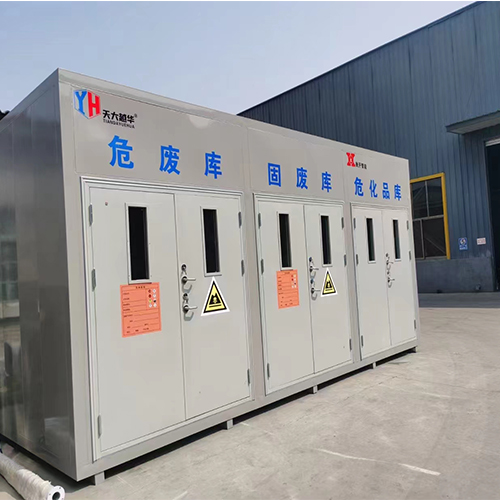
转移至其他具有防护条件的地点贮存。
Transfer to other locations with protective conditions for storage.
贯彻标准、持续达标
Implement standards and continuously meet them
相关单位应根据自身实际情况,对照标准要求全面评估风险,不满足标准要求的应切实提标改造,强化智慧监管,强化规范运行,确保危险废物贮存污染控制持续达标。
Relevant units should comprehensively assess risks based on their own actual situation and standard requirements. Those that do not meet the standard requirements should be effectively upgraded and renovated, strengthen intelligent supervision, enhance standardized operation, and ensure that the pollution control of hazardous waste storage continues to meet the standards.
地址

服务热线

邮箱


截屏,微信识别二维码