地图 - 热线
15392885678
- 服务热线 - 15392885678 15069779222
沸石转轮+CO这套组合,前端过滤、浓缩比这些常被拿出来讲,但脱附温度这个旋钮,现场反而非常容易被“凭感觉拧”。有人怕烧不干净就往高里顶,有人怕伤转轮就压得过低,两头都埋雷。
The combination of zeolite wheel and CO, such as front-end filtration and concentration ratio, is often mentioned, but the detachment temperature knob is actually the most easily "twisted by feeling" on site. Some people are afraid of not being able to burn it clean and push it high, while others are afraid of damaging the wheel and press it too low, burying mines at both ends.
先说它干什么用。转轮转到脱附区,靠一股小风量热风把沸石孔里的VOCs“蒸”出来,变成小风量高浓度气送进CO炉。温度不是越高越好,常规工况180–220℃是个稳区间;高沸点溶剂(酯类、部分树脂单体)可以往上抬到220–240℃,但别超过260℃,再高会伤分子筛骨架,密封件也先老化。
First, let's talk about its purpose. The wheel rotates to the desorption zone, and a small volume of hot air is used to "steam" the VOCs in the zeolite pores, turning them into high concentration gas with small volume and sending it into the CO furnace. The higher the temperature, the better. Under normal operating conditions, 180-220 ℃ is a stable range; High boiling point solvents (esters, some resin monomers) can be raised to 220-240 ℃, but should not exceed 260 ℃. Even higher temperatures can damage the molecular sieve skeleton and cause aging of the seals.
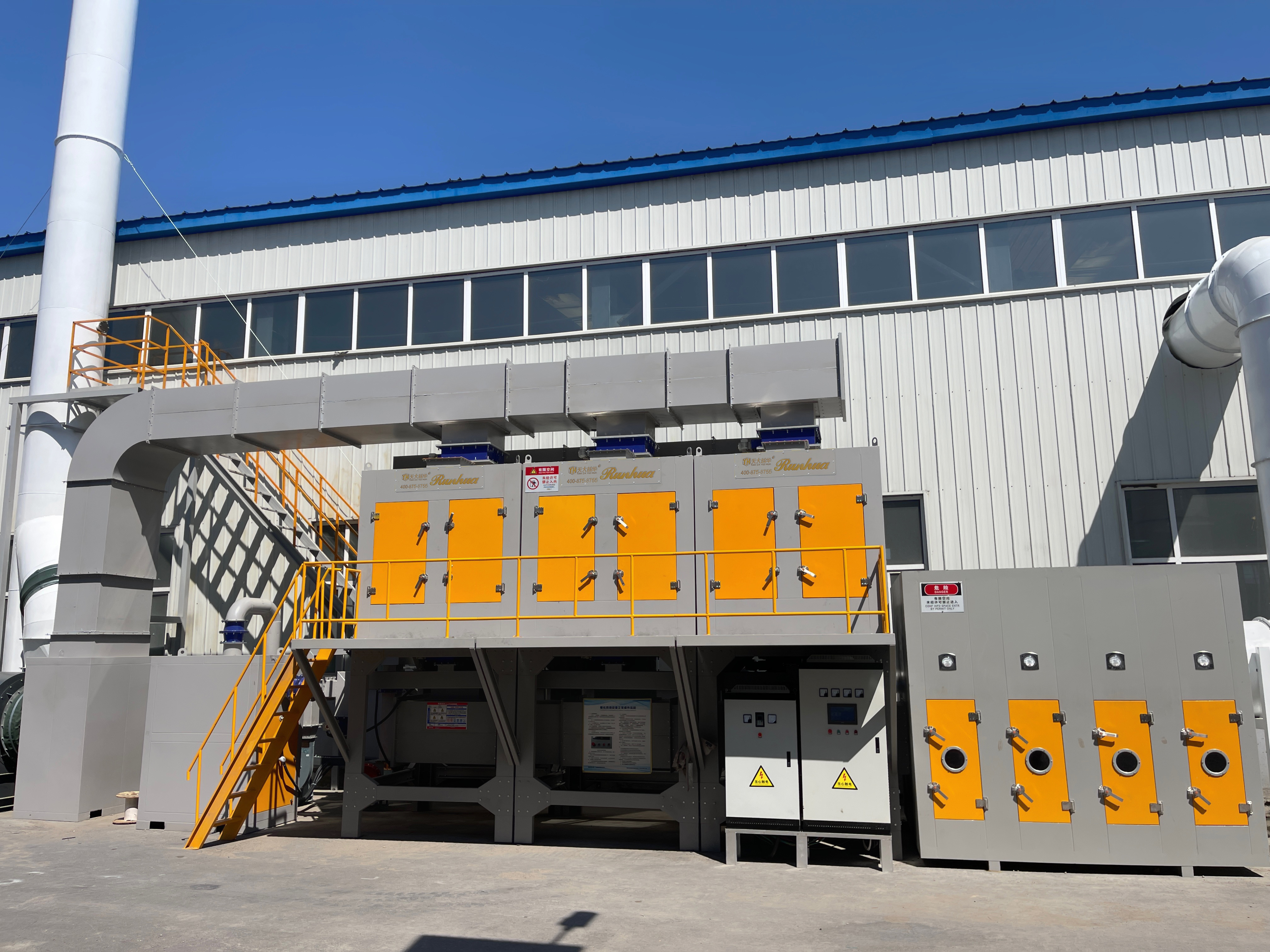
压得太低更隐蔽。温度不够,高沸点组分脱不净,转轮里留“记忆效应”——今天没出来的,明天接着占孔,吸附容量一个月比一个月低。现场表现就是:入口浓度没变,出口NMHC慢慢飘,前端压差还没报警,人往往先怀疑催化剂,其实根子在脱附段。
Pressing too low makes it more concealed. The temperature is not enough, and high boiling point components cannot be completely removed. There is a "memory effect" left in the impeller - if it doesn't come out today, it will continue to occupy the pores tomorrow, and the adsorption capacity will decrease month by month. The on-site performance is that the inlet concentration has not changed, the outlet NMHC is slowly drifting, and the front-end pressure difference has not yet sounded an alarm. People often suspect the catalyst first, but in fact, the root is in the desorption section.
跟它咬合的还有两个参数,别单看温度:
There are two parameters that bite into it, don't just look at the temperature:
脱附风量:风太小浓度高但脱不净;风太大浓度被稀释,CO炉又要补燃。工程上找的是“脱得净+浓度够烧”的平衡点。
Desorption air volume: The air is too small and the concentration is high, but it cannot be completely desorbed; The concentration is diluted due to excessive wind, and the CO furnace needs to be re ignited. The balance point found in engineering is' clean removal+sufficient concentration for burning '.
转轮转速:一般1–6 r/h可调。浓度波动大就降转速延长吸附时间,别靠狂提脱附温救场。
Wheel speed: generally adjustable from 1-6 r/h. If the concentration fluctuates greatly, reduce the rotational speed and extend the adsorption time. Don't rely on excessively raising the desorption temperature to save the field.
CO炉那边也受牵连。脱附气浓度是按峰值校核安全的,不是按平均值。温度一乱,峰形就飘,LEL联锁容易误动作;含硅、含卤、含硫的组分被浓缩后直扑催化剂,温度再高也救不回中毒。
The CO furnace is also implicated. The desorption gas concentration is checked for safety based on peak values, not average values. When the temperature is disturbed, the peak shape will float, and the LEL interlock is prone to misoperation; The components containing silicon, halogen, and sulfur are concentrated and directly attacked by the catalyst, and no matter how high the temperature is, poisoning cannot be recovered.
日常盯三条就够:脱附进出口温度曲线、脱附气LEL趋势、转轮前后压差周变化。温度设定值改一次留一次记录,别让班组各调各的。
Daily monitoring of three points is sufficient: desorption inlet and outlet temperature curve, desorption gas LEL trend, and cyclic changes in pressure difference before and after the impeller. Change the temperature setting value once and keep a record, don't let each team adjust it separately.
转轮不烧东西,它只负责“搬”。搬得干不干净,全看那股热风的温度拿捏得准不准。
The wheel does not burn anything, it is only responsible for 'moving'. Whether it's done clean or not depends on how accurately the temperature of the hot air is controlled.
地址

服务热线

邮箱


截屏,微信识别二维码